doyouknow.app
Art
Stories about art, design, and creative culture from the region and beyond.
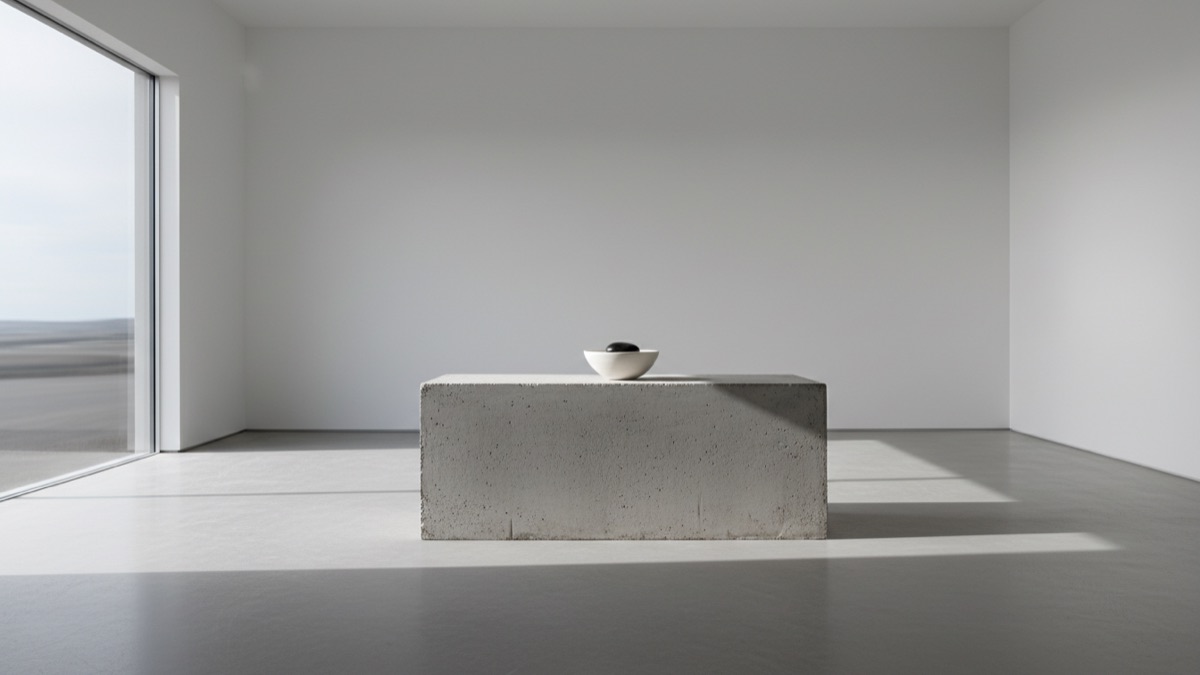
What Is Minimalism in Art
Minimalism stripped art down to simple geometric forms and industrial materials. Learn how the 1960s movement began, its key artists, and why it still matters.
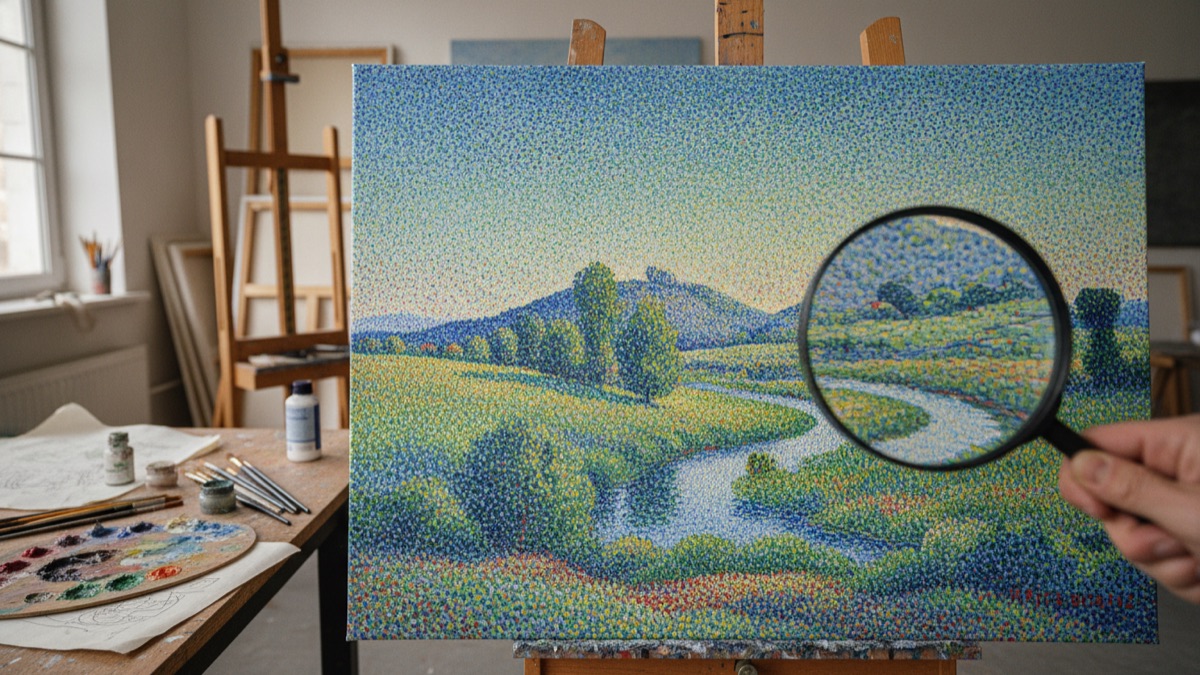
What Is Pointillism and How Does It Work
Pointillism builds paintings entirely from tiny dots of pure color. Learn how Seurat invented the technique, the color science behind it, and where to see it.
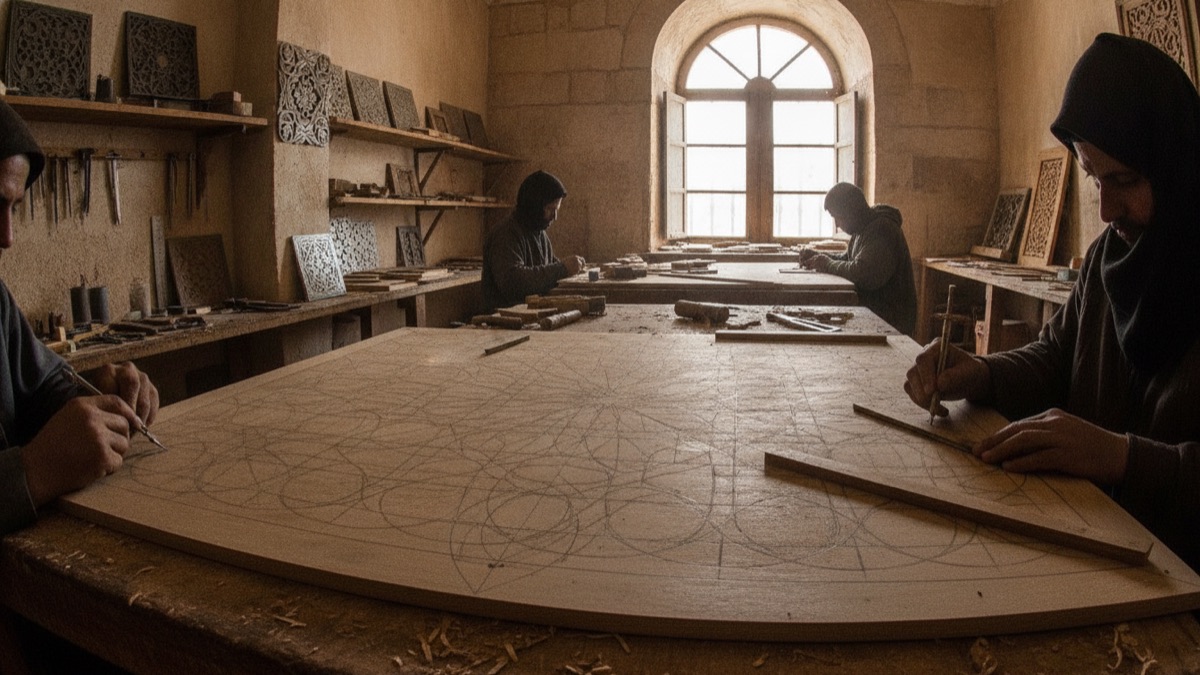
What Is Islamic Geometric Art and How Is It Made
Islamic geometric art turns simple shapes into infinite, mesmerizing patterns using compass and straightedge. Learn its history, meaning, and construction.
A Beginner's Guide to Understanding Modern Art
Modern art can feel confusing or intimidating. Here's a clear, practical guide to understanding what modern art actually is and how to approach it.
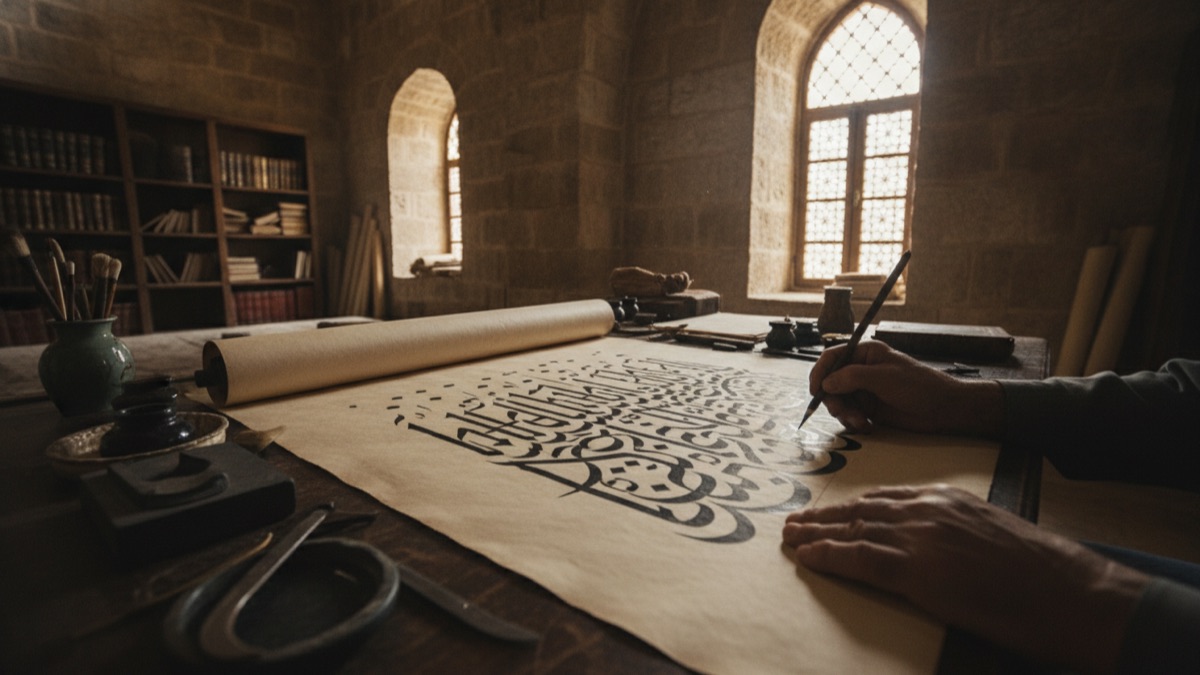
The Role of Calligraphy in Islamic Art
Why did calligraphy become the most celebrated art form in Islamic civilization? The history, scripts, and spiritual meaning behind Islamic calligraphy.
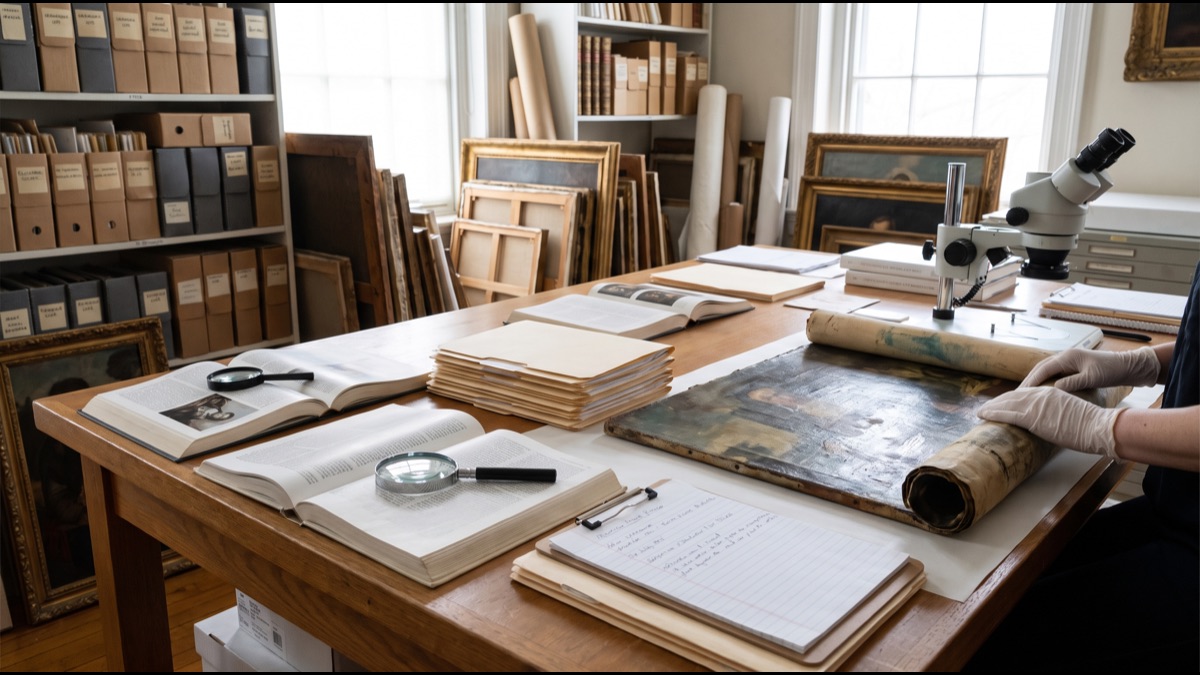
How Museums and Auction Houses Decide What Art Is Worth
What actually makes a painting worth millions? Here's how provenance, scarcity, condition, and market demand really determine an artwork's value.
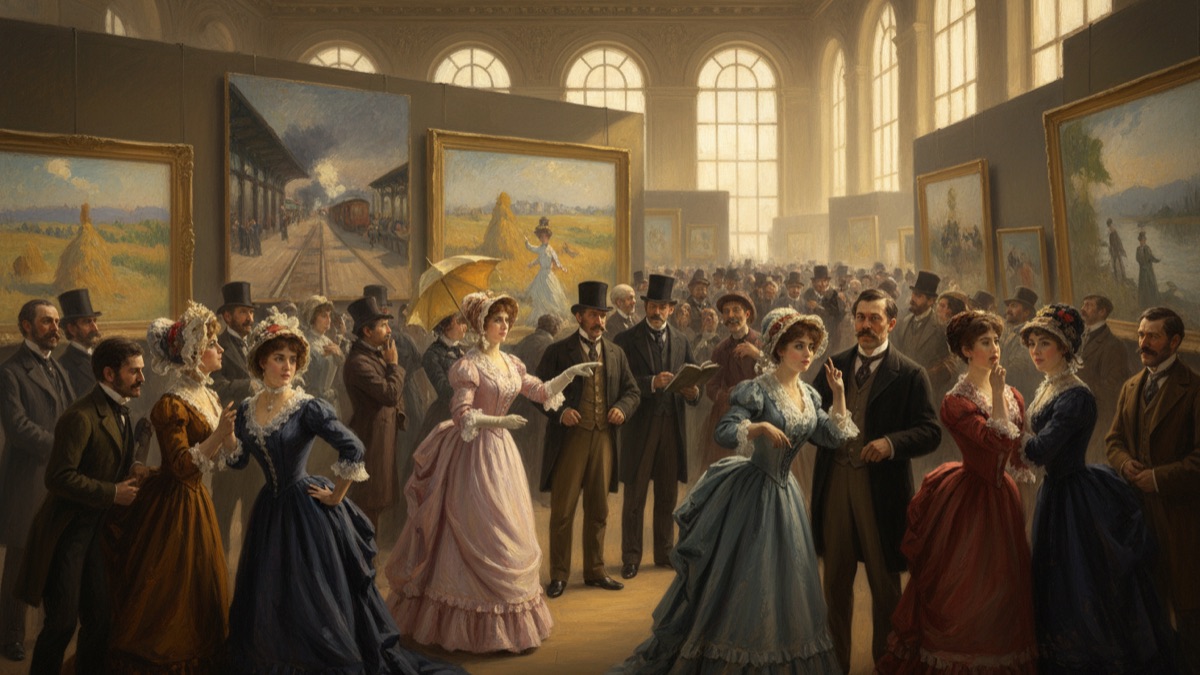
What Is Impressionism and Why It Was Controversial When It Started
Now beloved and hugely valuable, Impressionist paintings were once mocked by critics. Here's what Impressionism actually is and why it caused such outrage.
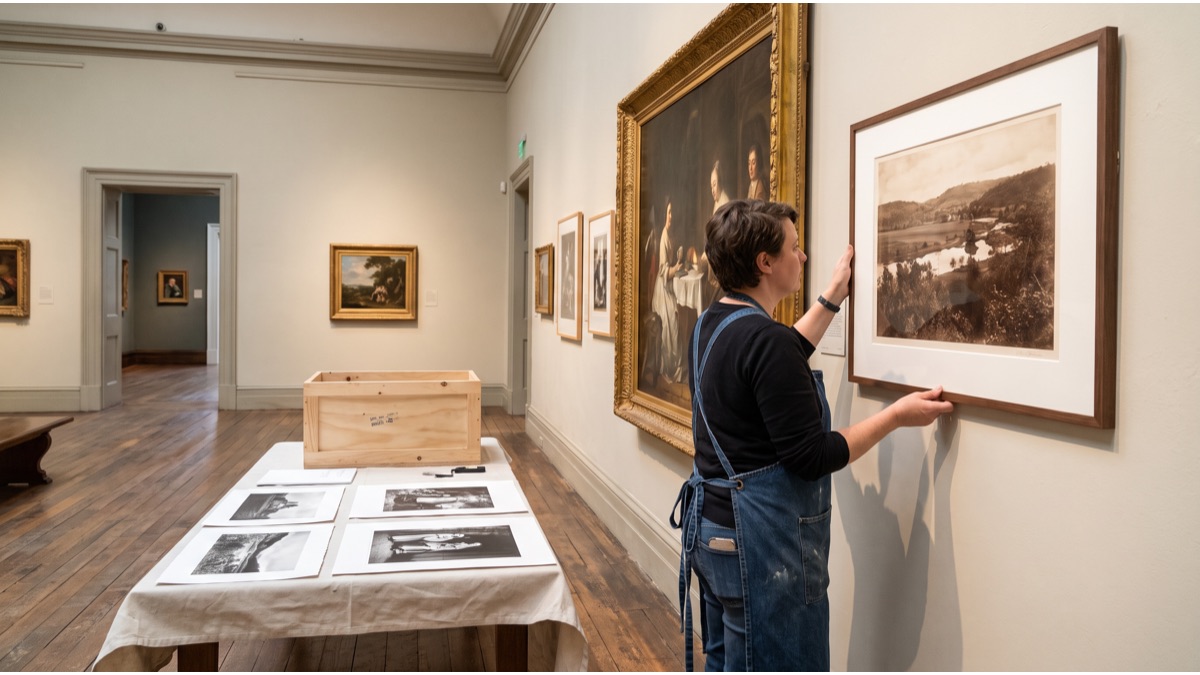
How Photography Became Accepted as Fine Art
For decades after its invention, photography wasn't considered real art. Here's the story of how photography earned recognition as a legitimate fine art form.
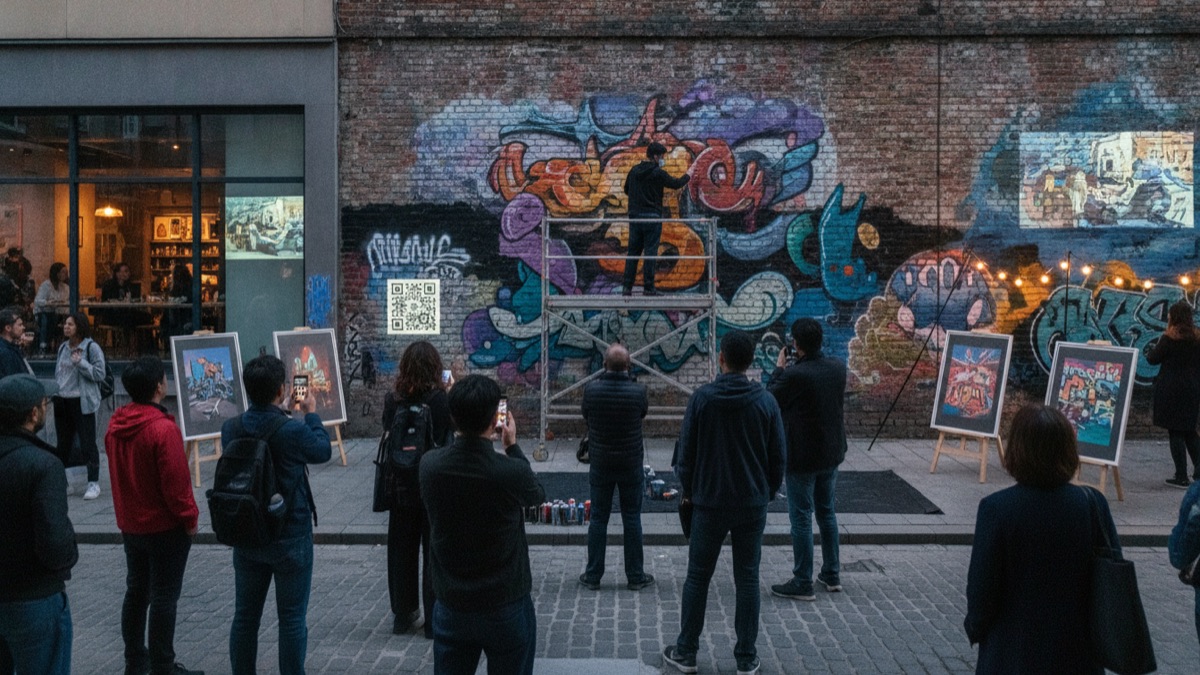
What Is Street Art and How Did It Become Mainstream
From illegal graffiti to gallery exhibitions and record auction prices, here's how street art evolved and gained genuine mainstream artistic recognition.
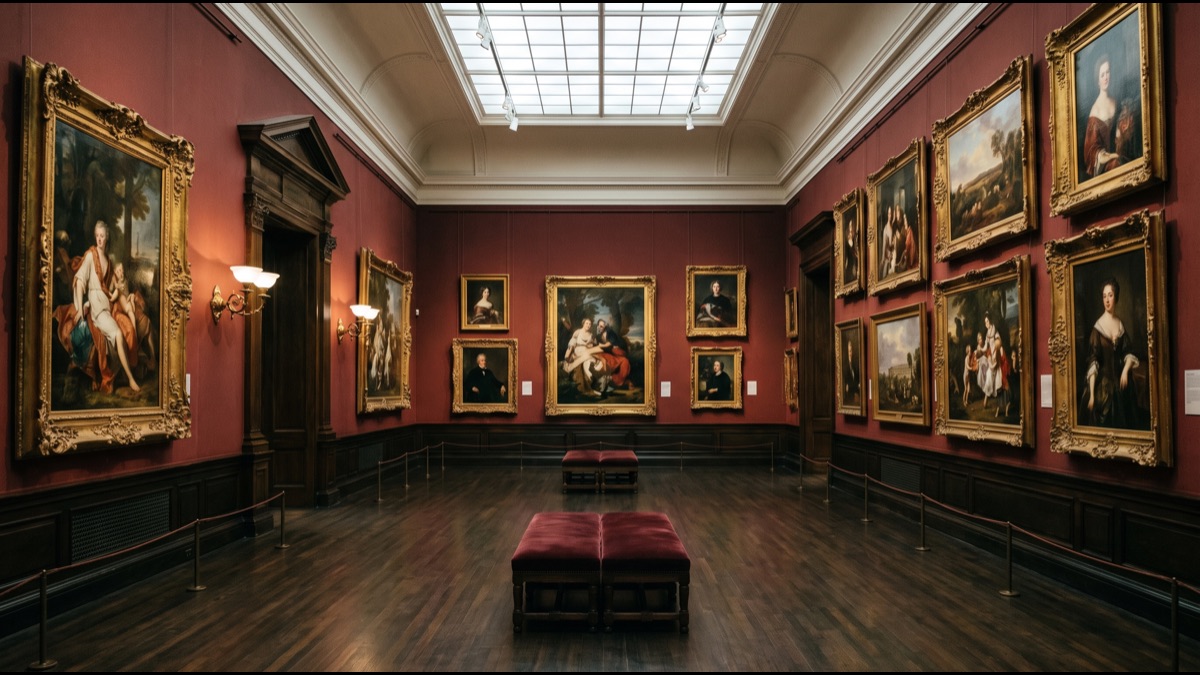
The History and Meaning of the Mona Lisa
Why is a small 500-year-old portrait the most famous painting in the world? The real history, mystery, and meaning behind Leonardo da Vinci's Mona Lisa.
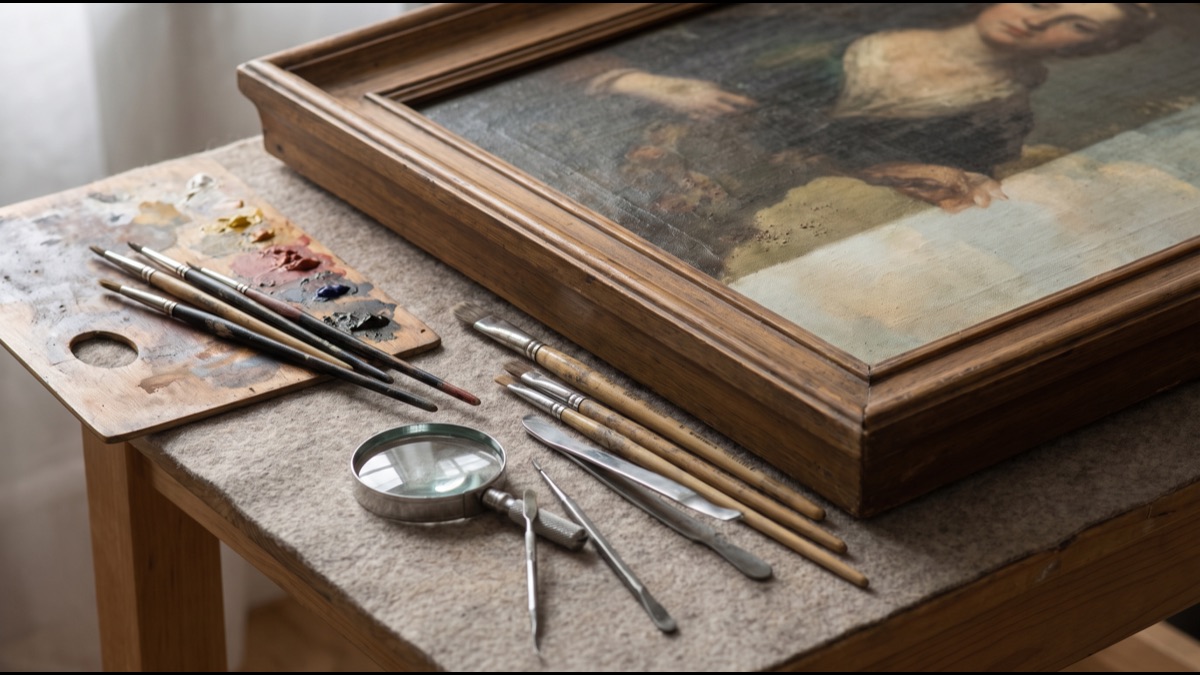
How Art Restoration Actually Works
Restoring a centuries-old painting takes chemistry, patience, and ethics. Learn how conservators clean, repair, and protect artworks without erasing history.
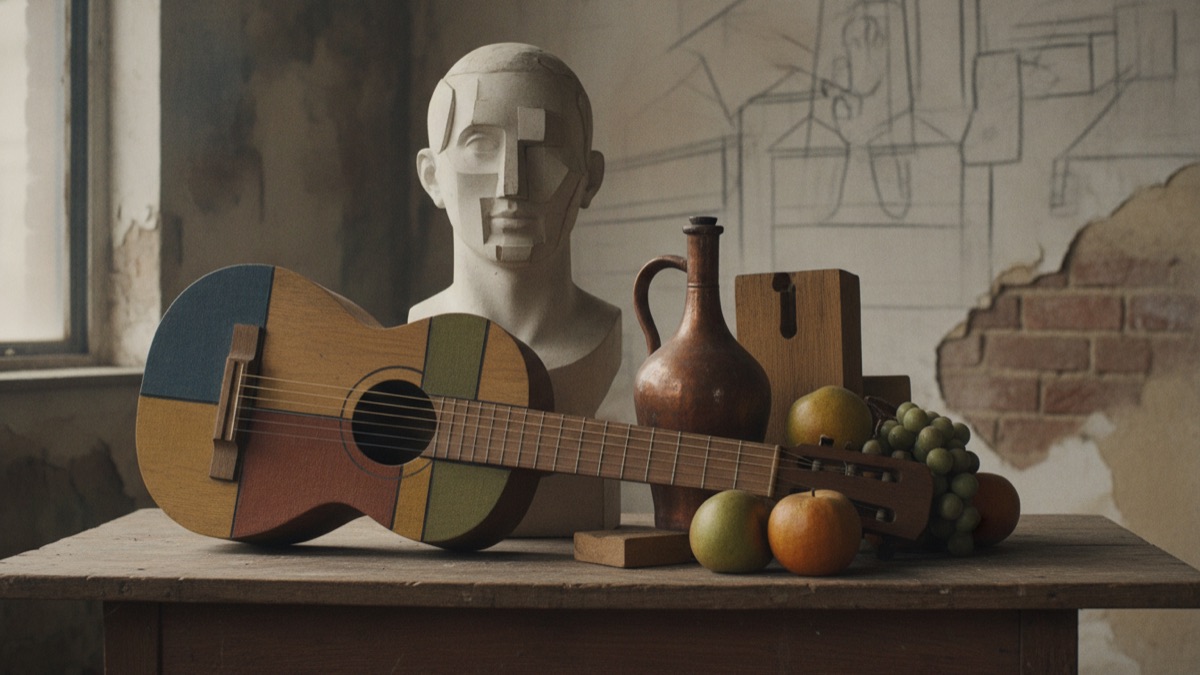
What Is Cubism and Why Did It Change Art Forever
Cubism broke objects into geometric fragments and multiple viewpoints at once. Learn how Picasso and Braque invented the movement and why it still matters.
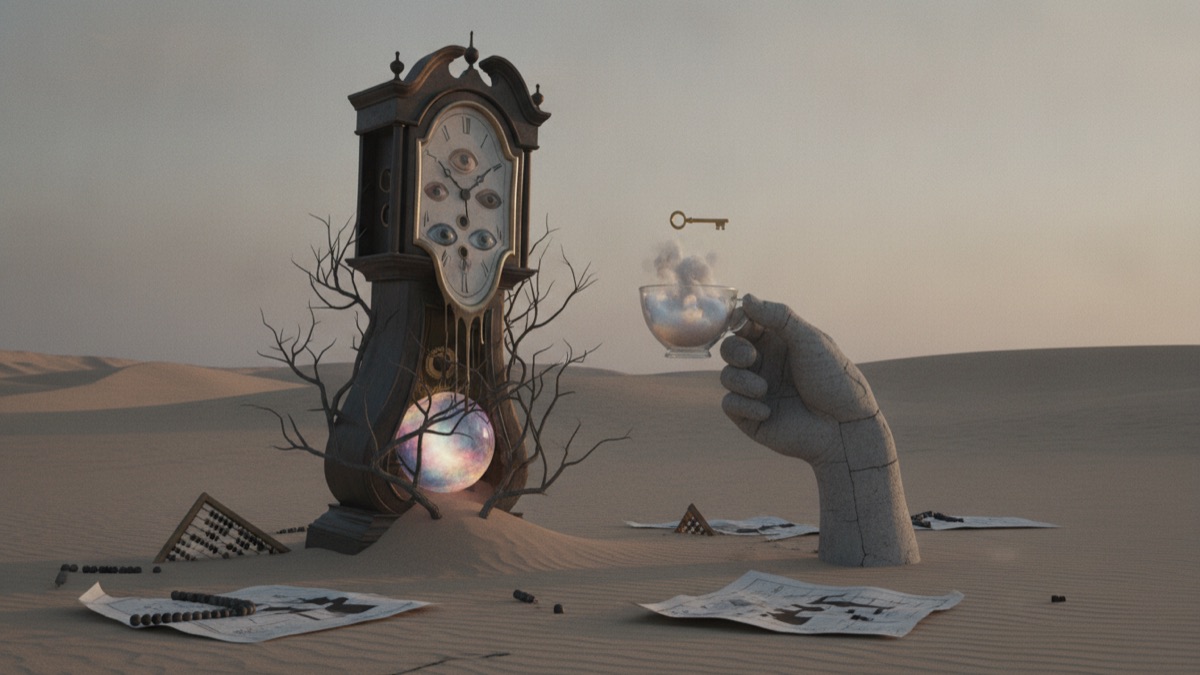
What Is Surrealism and Why It Rejected Rational Thought
Surrealism tried to unlock the unconscious mind through art. Here is how the movement started and what actually makes a painting surrealist.
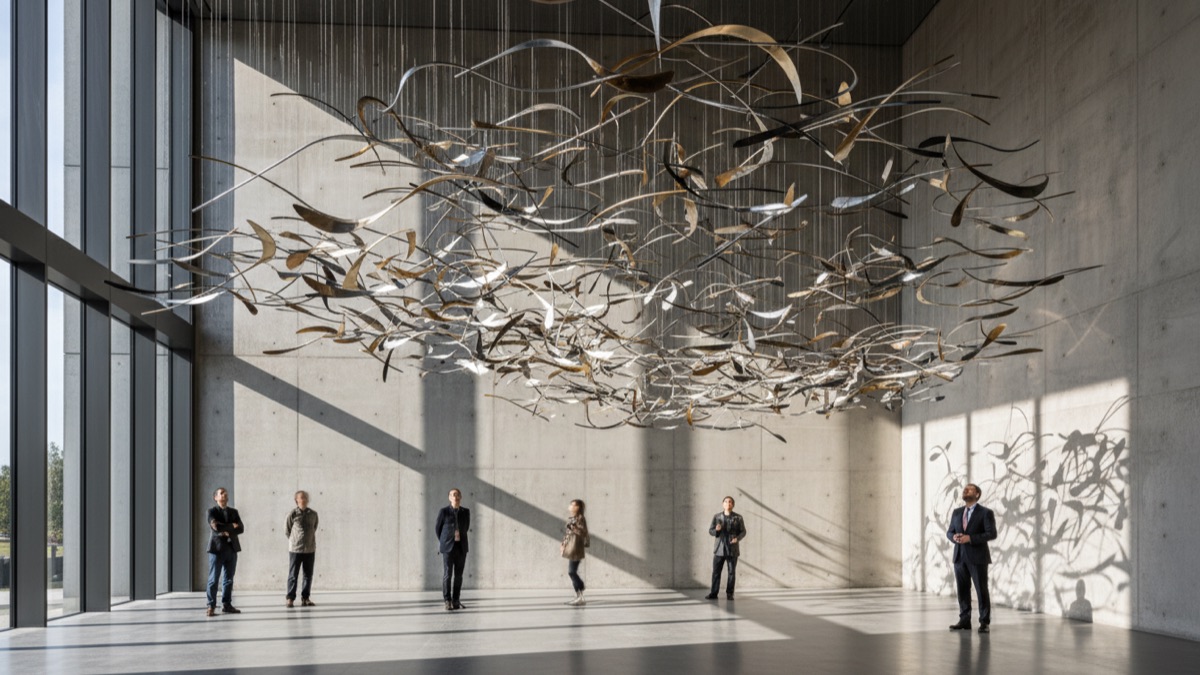
What Is Kinetic Art?
Kinetic art turns real movement into the medium itself, from Calder's wind-powered mobiles to today's motorized sculptures. Here's how it started.
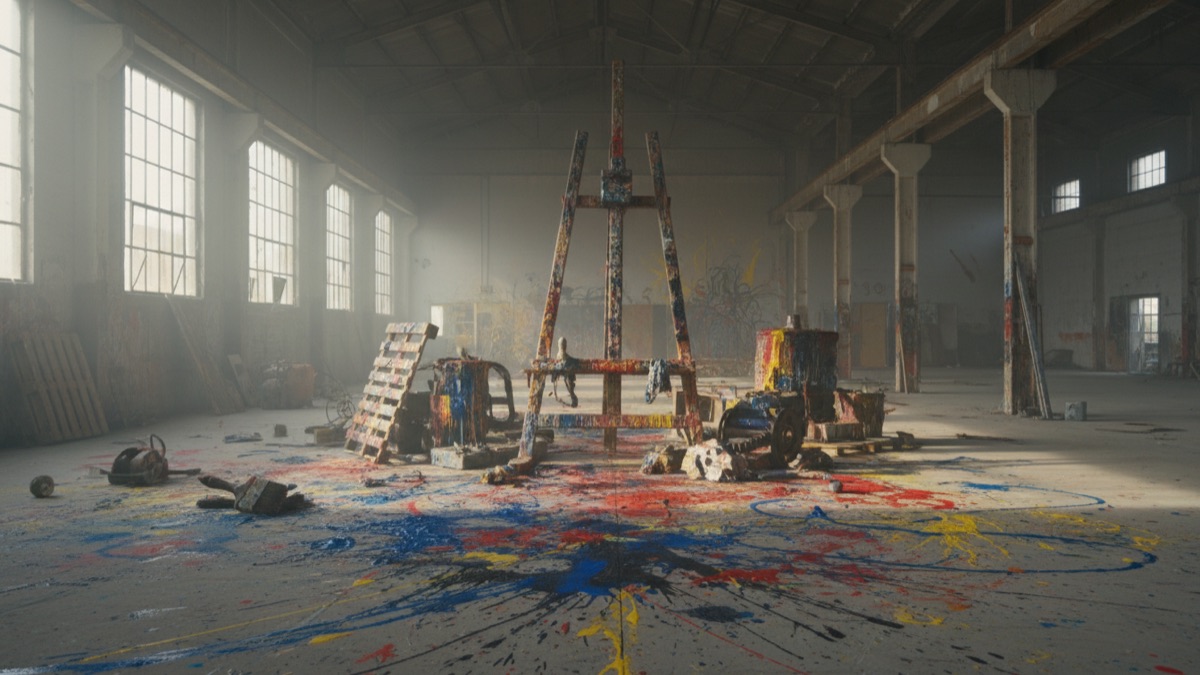
What Is Abstract Expressionism?
Abstract Expressionism made feeling and gesture the subject of painting itself. Here's how the movement began and why it mattered.
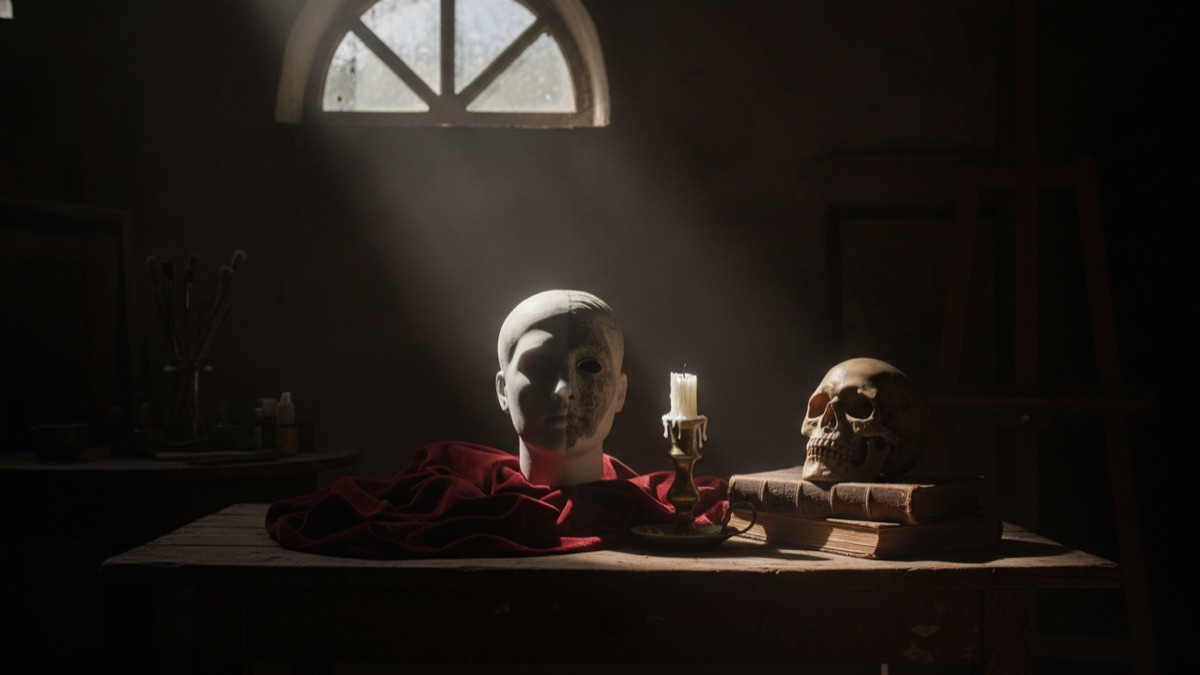
What Is Chiaroscuro in Art?
Chiaroscuro uses strong contrasts between light and dark to model form and drama. Here's how the technique developed from da Vinci to Caravaggio.
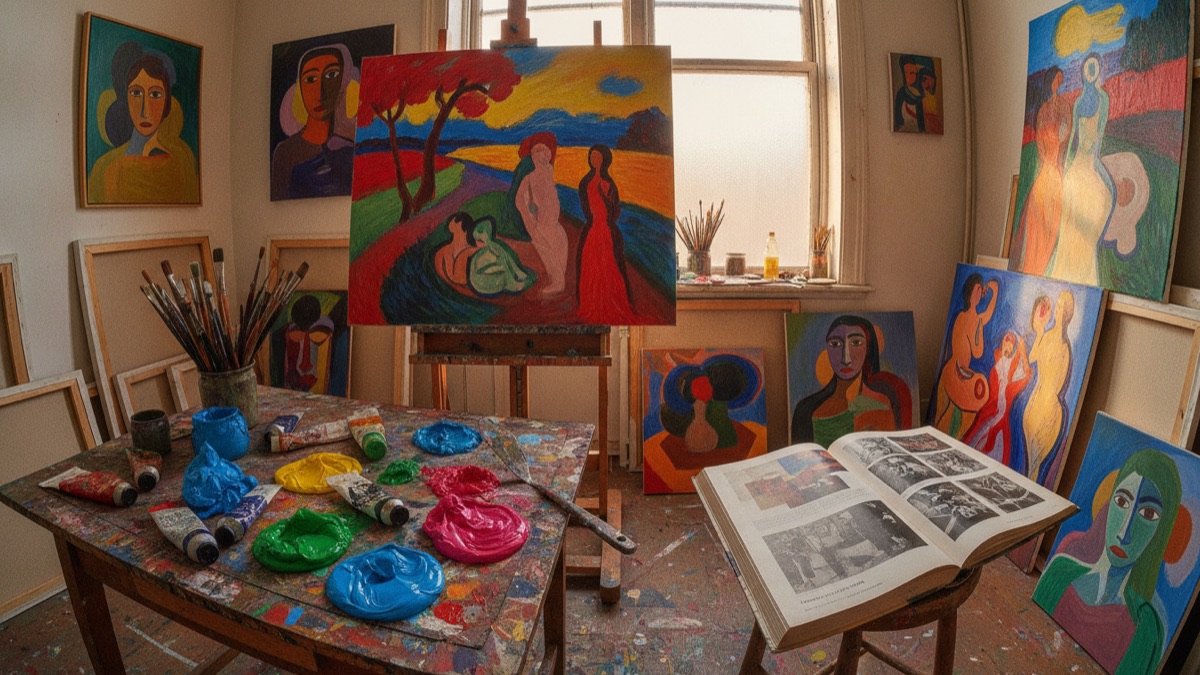
What Is Fauvism, the Wild Beasts of Modern Art?
A room of paintings at a 1905 Paris exhibition used color so unnaturally that one critic called the artists fauves, or wild beasts. Here is what Fauvism actually set out to do.
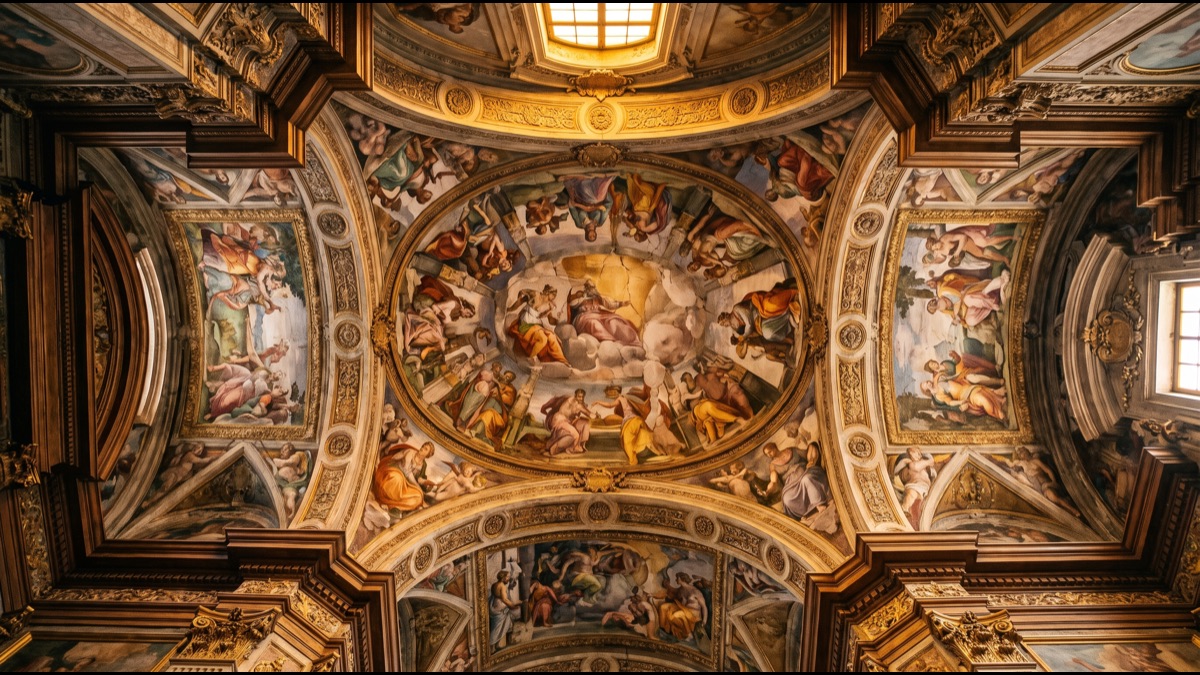
The History of Fresco Painting
Michelangelo had roughly eight hours before each patch of plaster dried, mistakes and all. Here is how fresco painting works and why it forces total commitment.
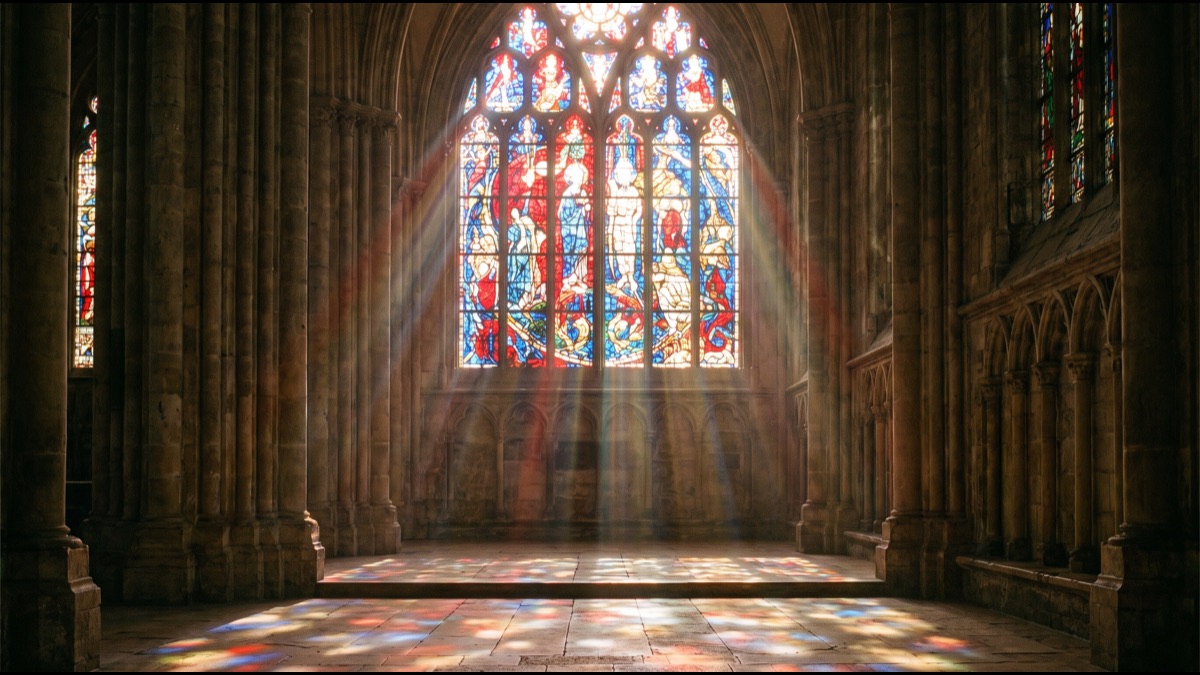
The History of Stained Glass Art
Stained glass windows turned church walls into glowing storytelling devices for a population who mostly couldn't read. Here's how the technique developed over a thousand years.
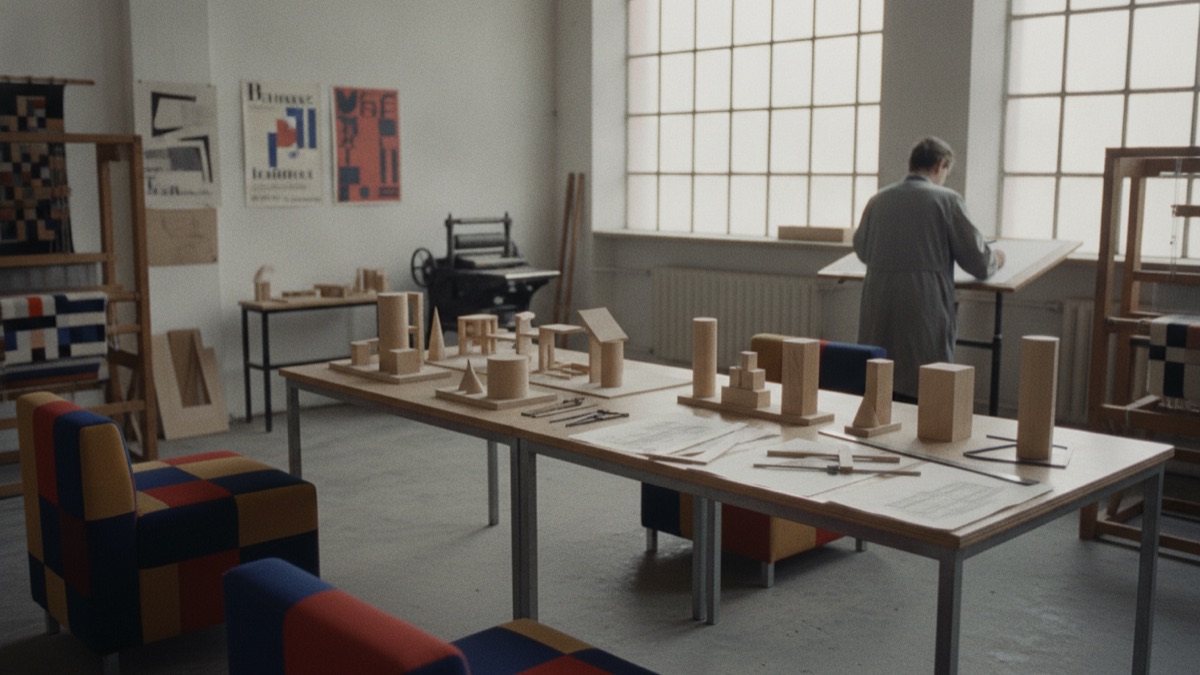
What Was the Bauhaus Movement in Art and Design?
The Bauhaus was a German art and design school active from 1919 to 1933 that fused fine art, craft, and architecture, leaving a lasting influence on modern design.
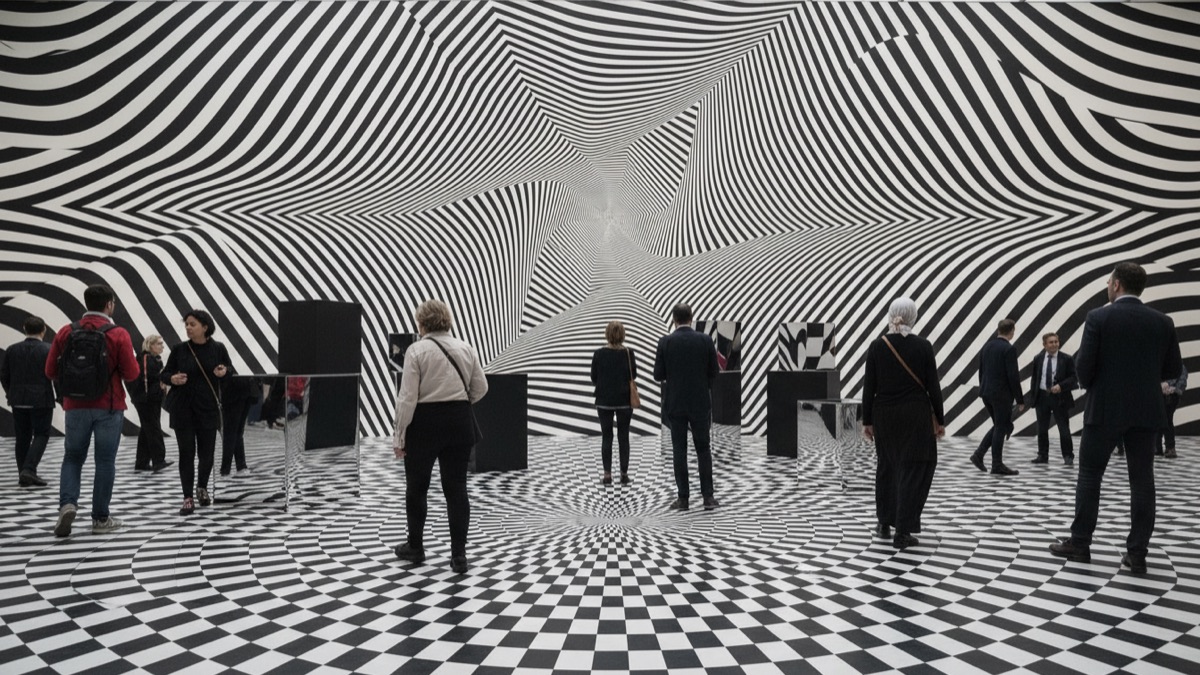
What Is Op Art? The Illusion-Driven Art Movement
Op Art, short for optical art, uses precise geometric patterns and contrast to create illusions of movement or depth on a flat surface.
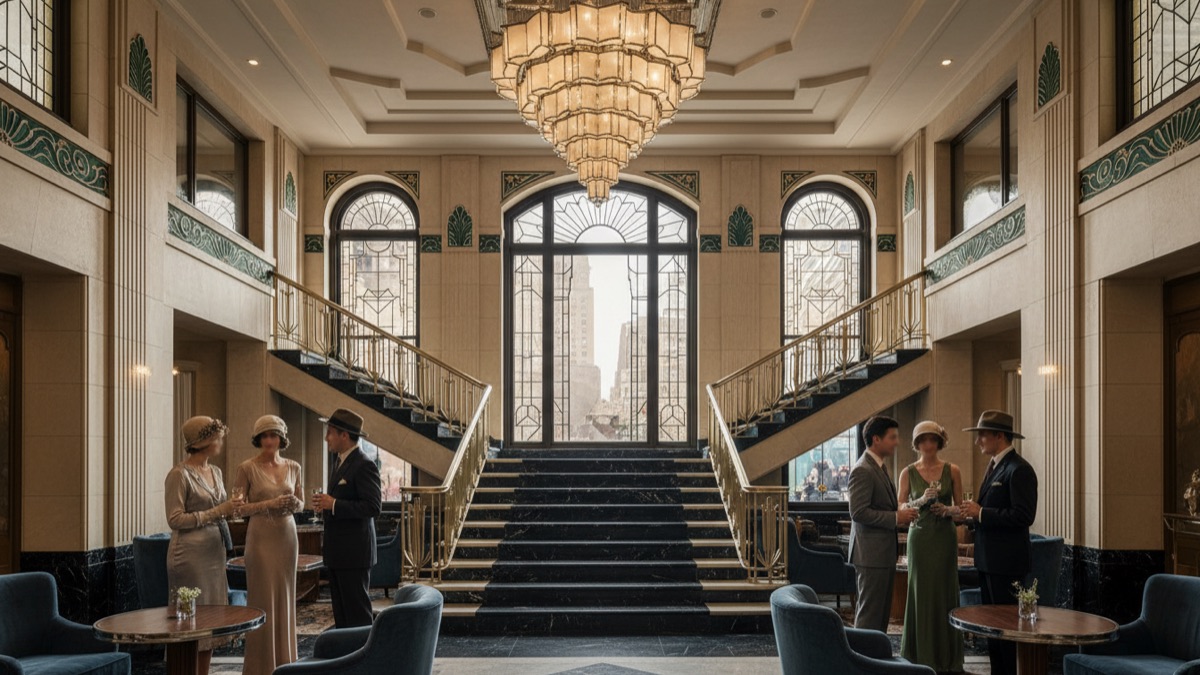
What Is Art Deco? The Style That Defined a Glamorous Era
Art Deco is a decorative style from the 1920s and 1930s known for geometric patterns, bold symmetry, and luxurious materials, still visible in architecture worldwide.
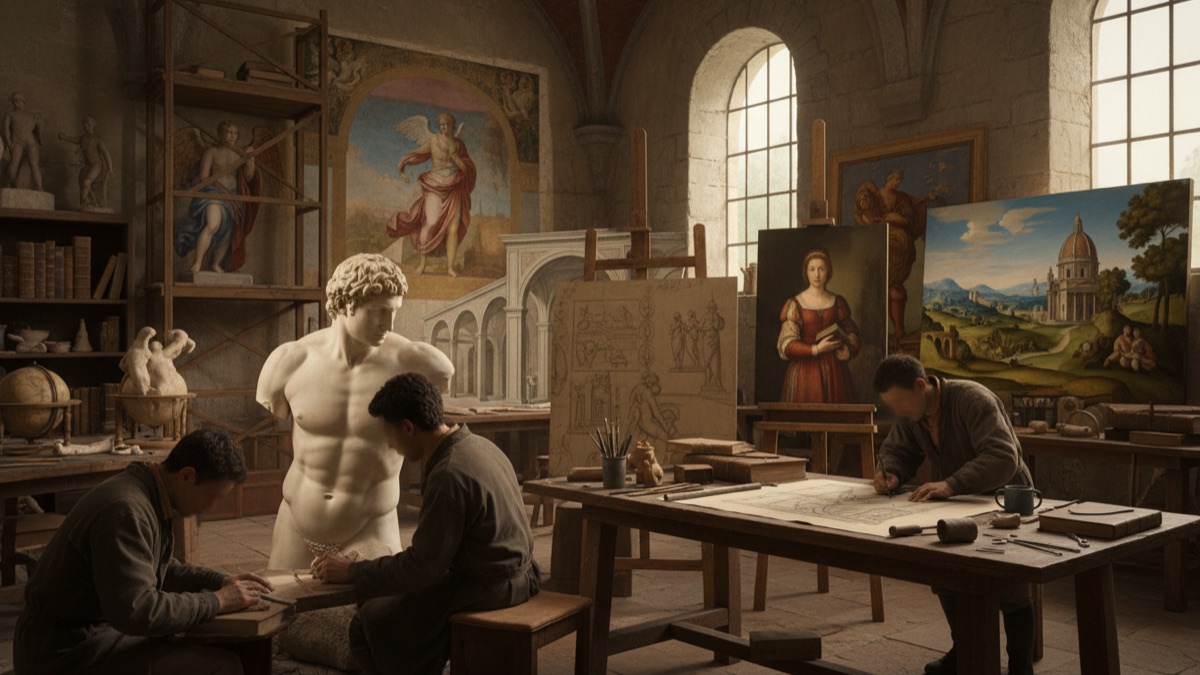
What Was the Renaissance Art Movement?
The Renaissance was a period of renewed interest in classical art and learning that transformed European painting through realism, perspective, and human-centered subjects.
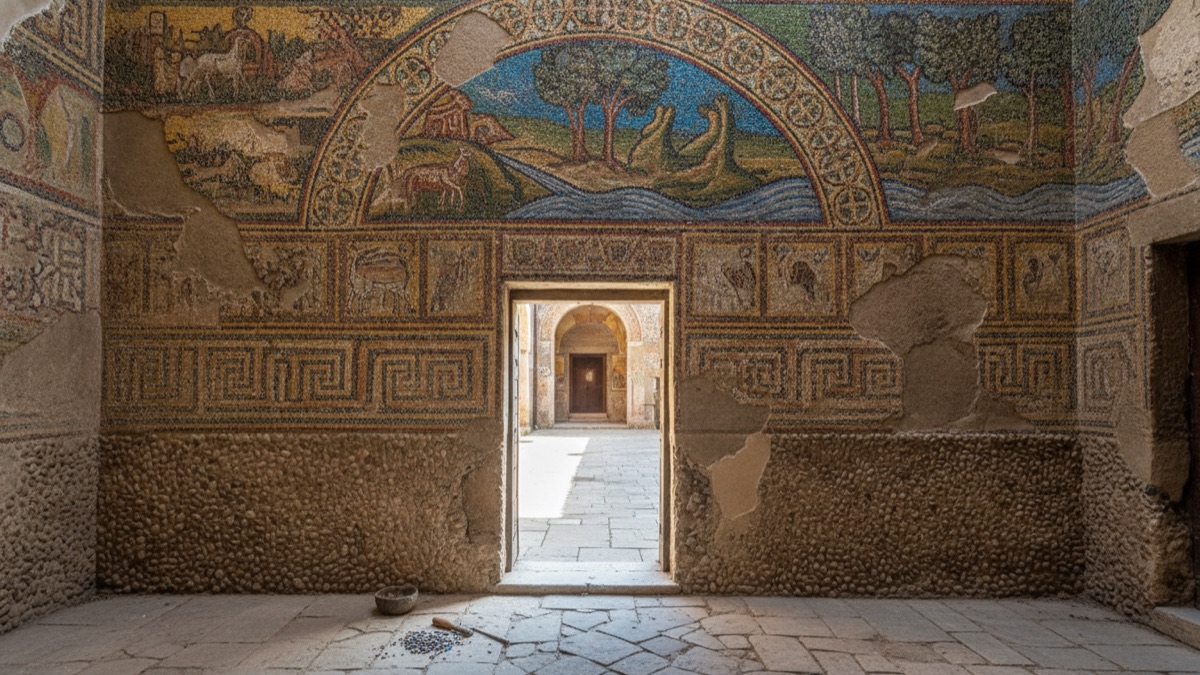
The History of Mosaic Art
Mosaic art, made from small pieces of stone, glass, or tile, dates back over 4,000 years and spread across cultures from Mesopotamia to Byzantium.
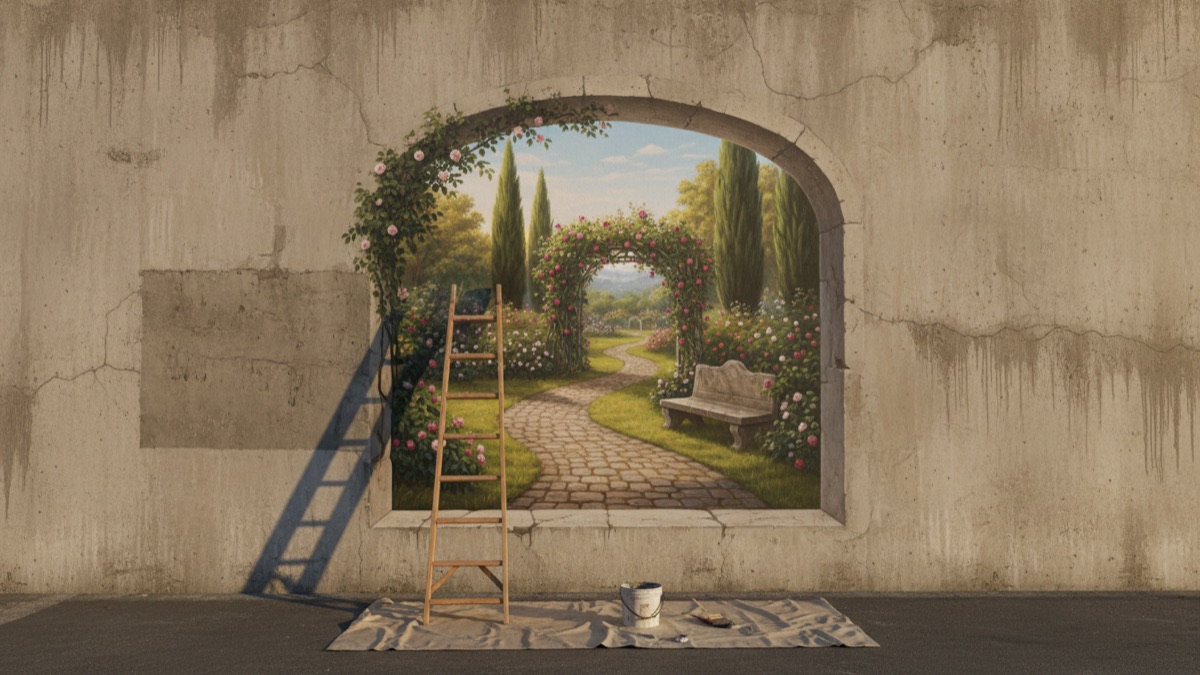
What Is Trompe l'Oeil?
Trompe l'oeil is a painting technique that uses realistic detail and perspective to trick the eye into seeing a flat surface as three-dimensional.
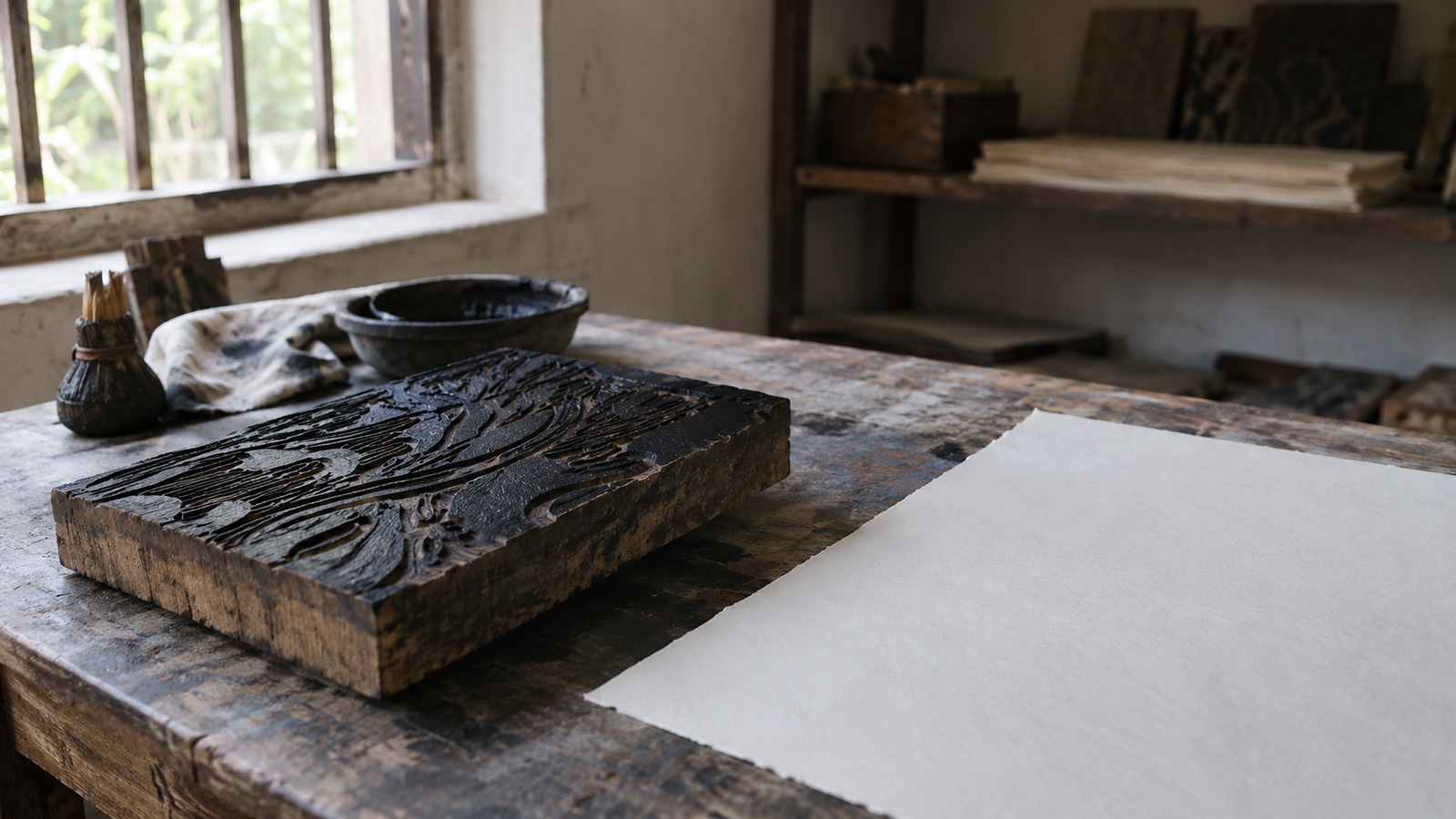
The History of Woodblock Printing
Woodblock printing, invented in China over 1,000 years ago, became the technique behind Japanese ukiyo-e art and some of Europe's earliest printed books.
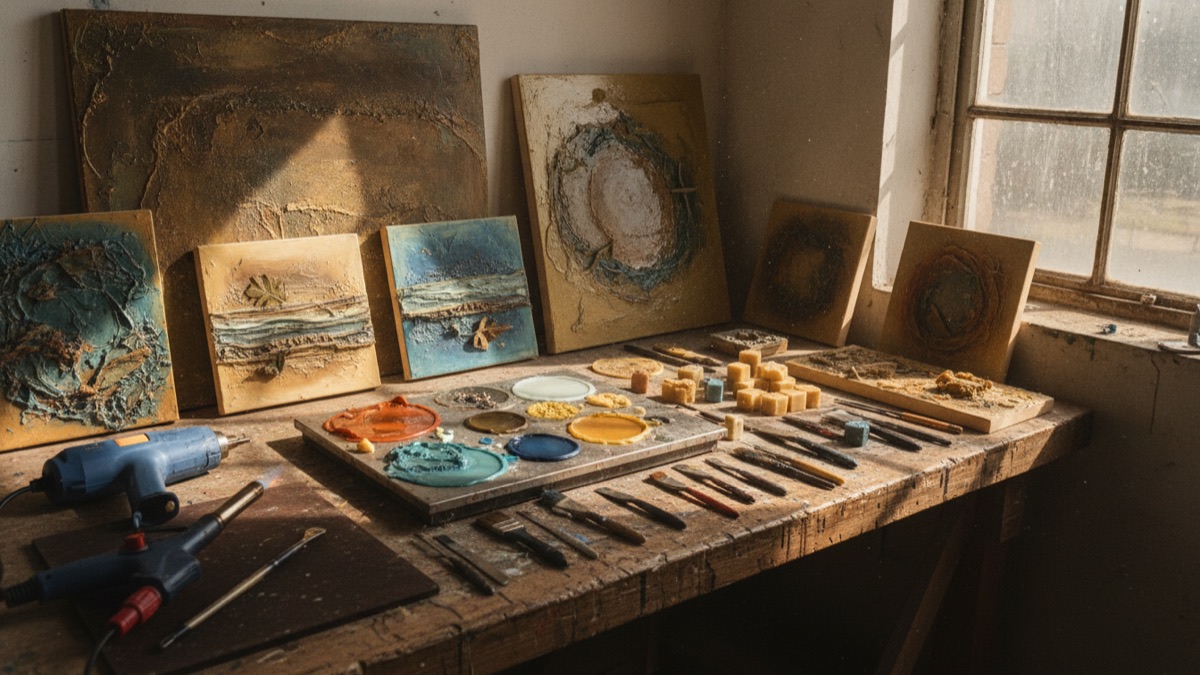
What Is Encaustic Painting?
Encaustic painting uses pigmented, heated beeswax applied to a surface, an ancient technique dating back over 2,000 years that produces a distinctive textured finish.
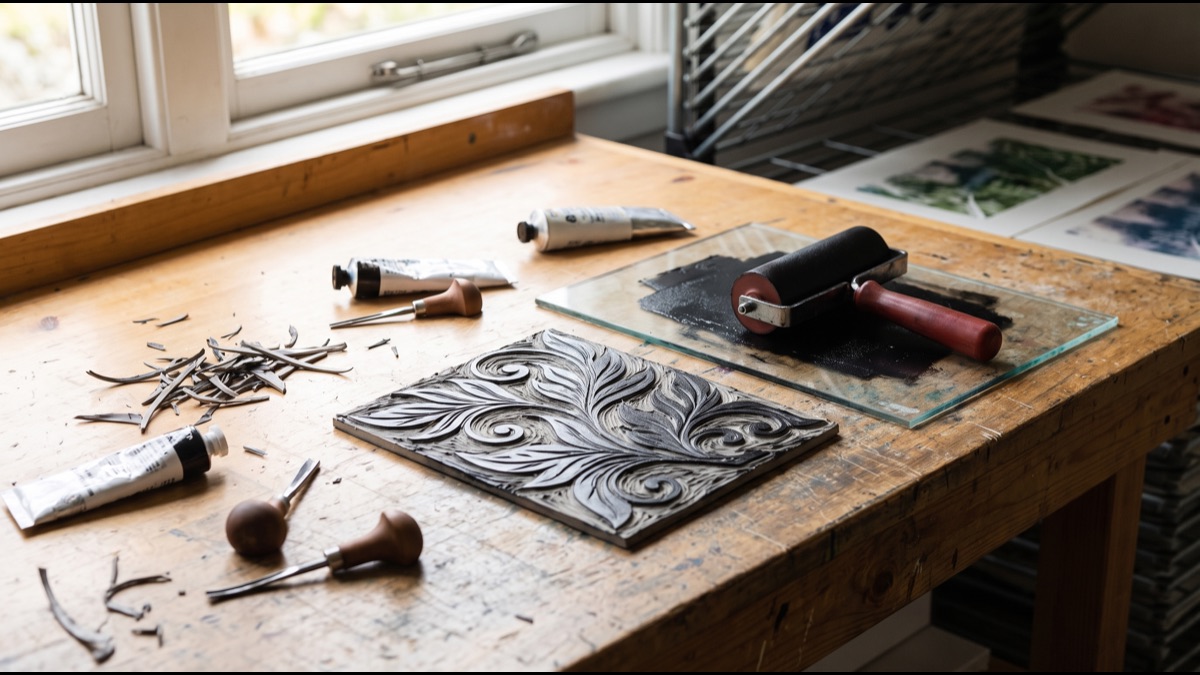
The History of Linocut Printmaking
Linocut is a relief printmaking technique using carved linoleum, developed in the early 20th century as an accessible alternative to traditional woodblock printing.
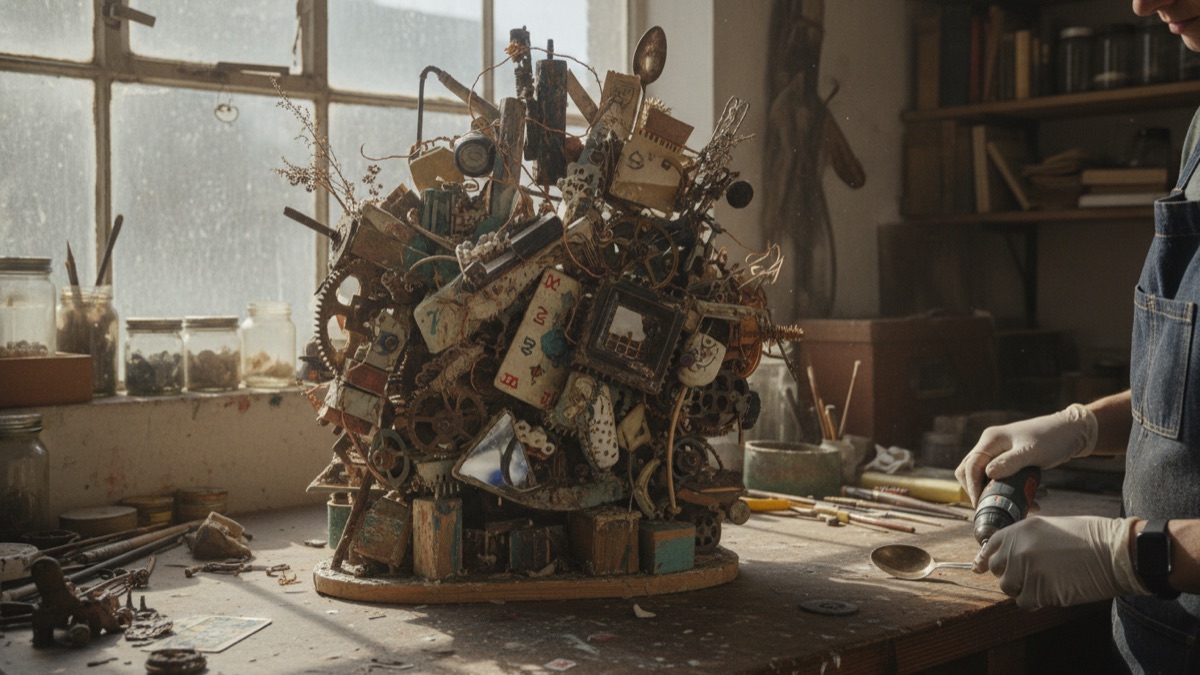
What Is Assemblage Art?
Assemblage art is a three-dimensional technique built from found objects and everyday materials, transforming unrelated items into a unified artistic composition.
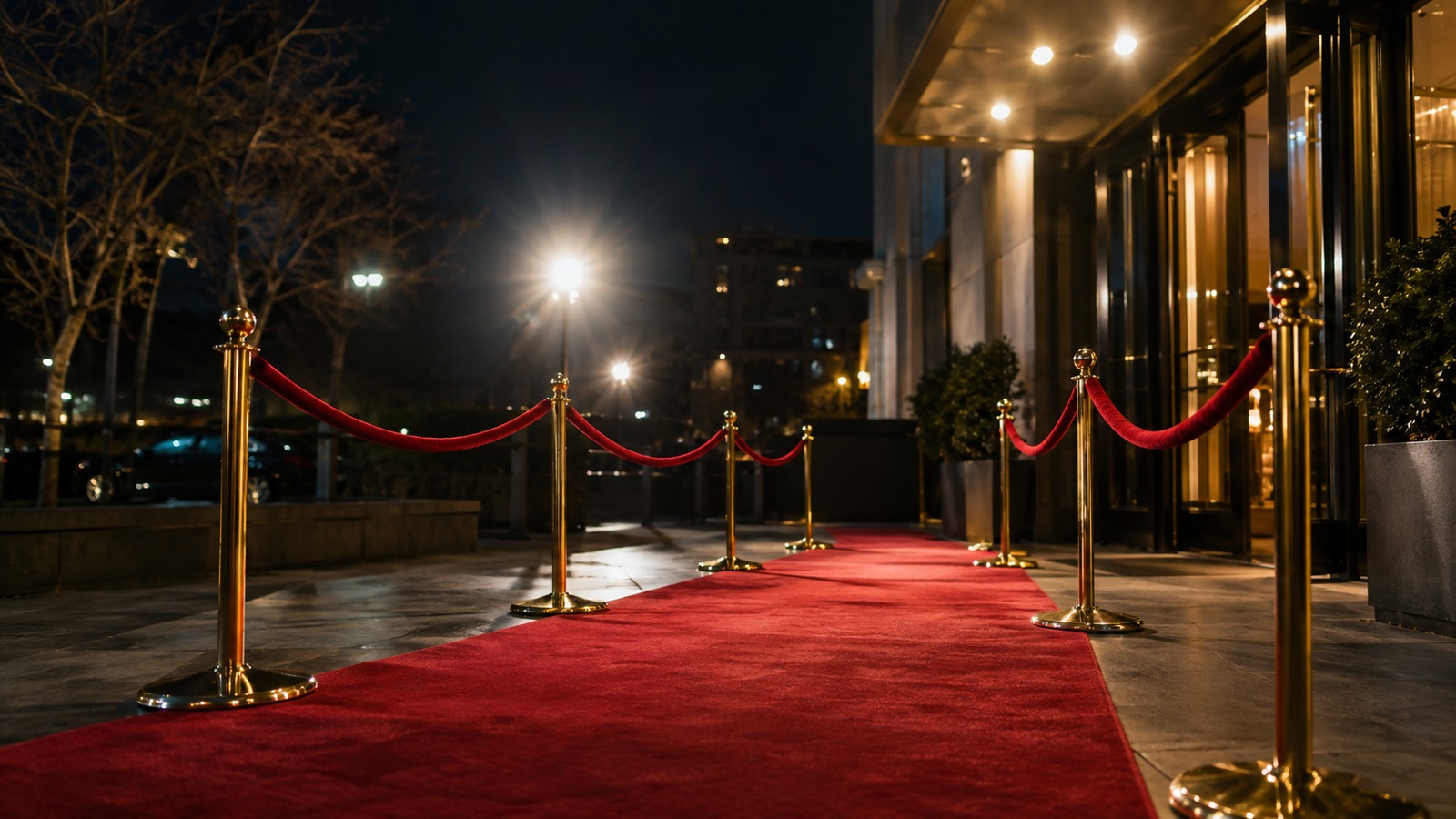
Why Movie Premieres Still Matter in the Streaming Era
Movie premieres still happen even when films stream days later. Here's the marketing and economic logic that keeps the red carpet alive.
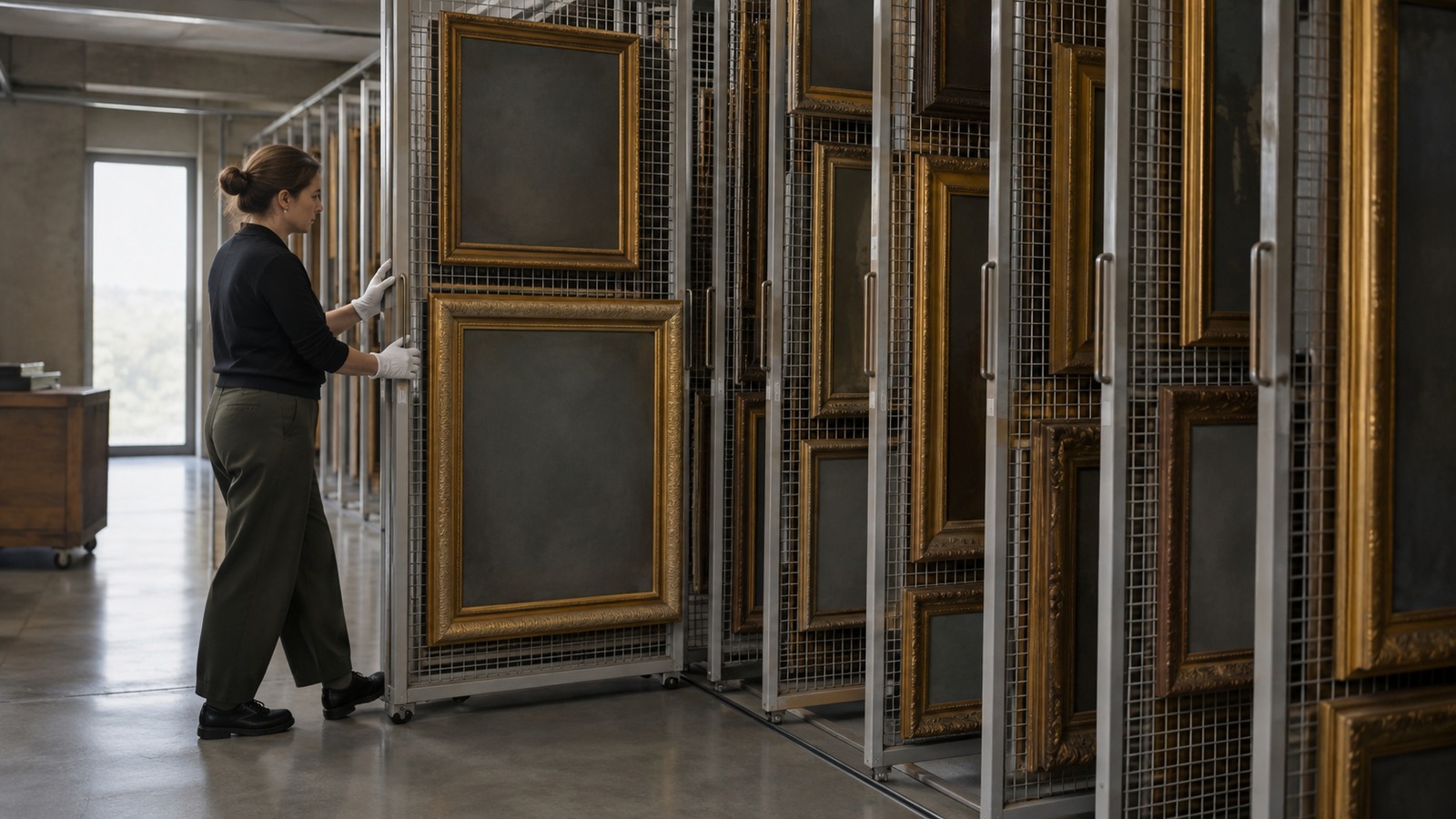
Why Museums Rotate Their Permanent Collections
Museums swap out their displays more than visitors realize — here's why light damage, storage limits, and scholarship all force the rotation.
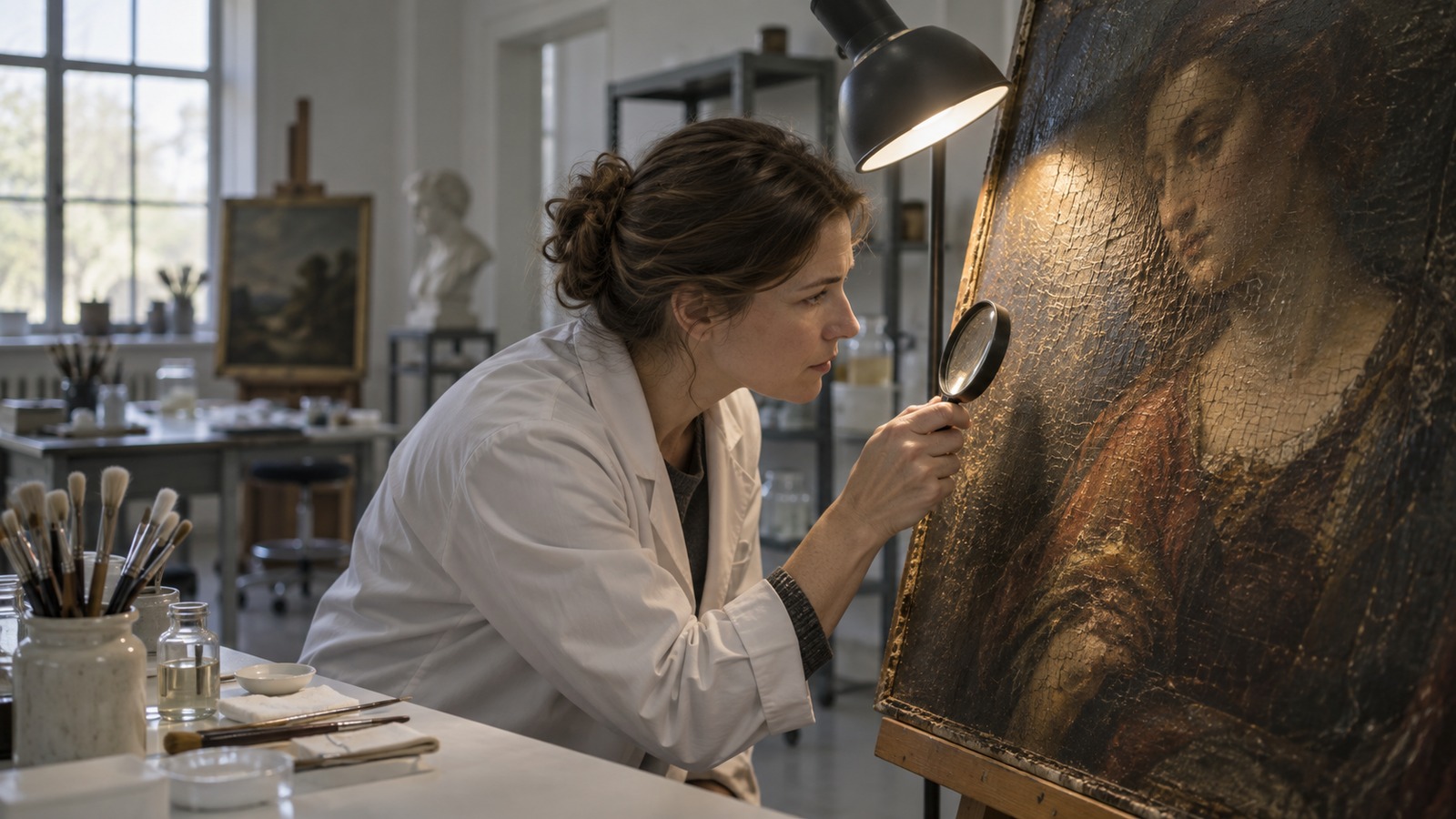
Why Art Forgeries Are So Hard to Catch
How art forgers fool experts for decades, the science used to catch them, and why the art market's own structure makes forgery so hard to detect.
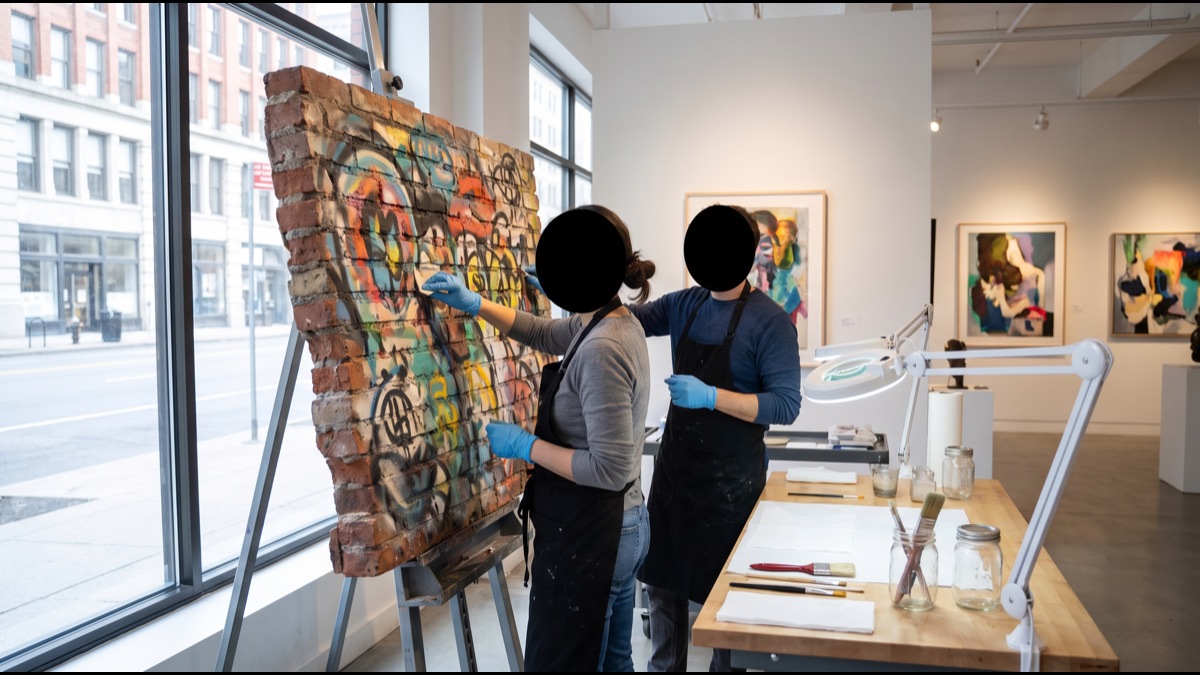
How Street Art Became Legitimate Fine Art
How graffiti and street art moved from vandalism charges to museum retrospectives and record auction sales, and why the shift remains contested within the movement itself.
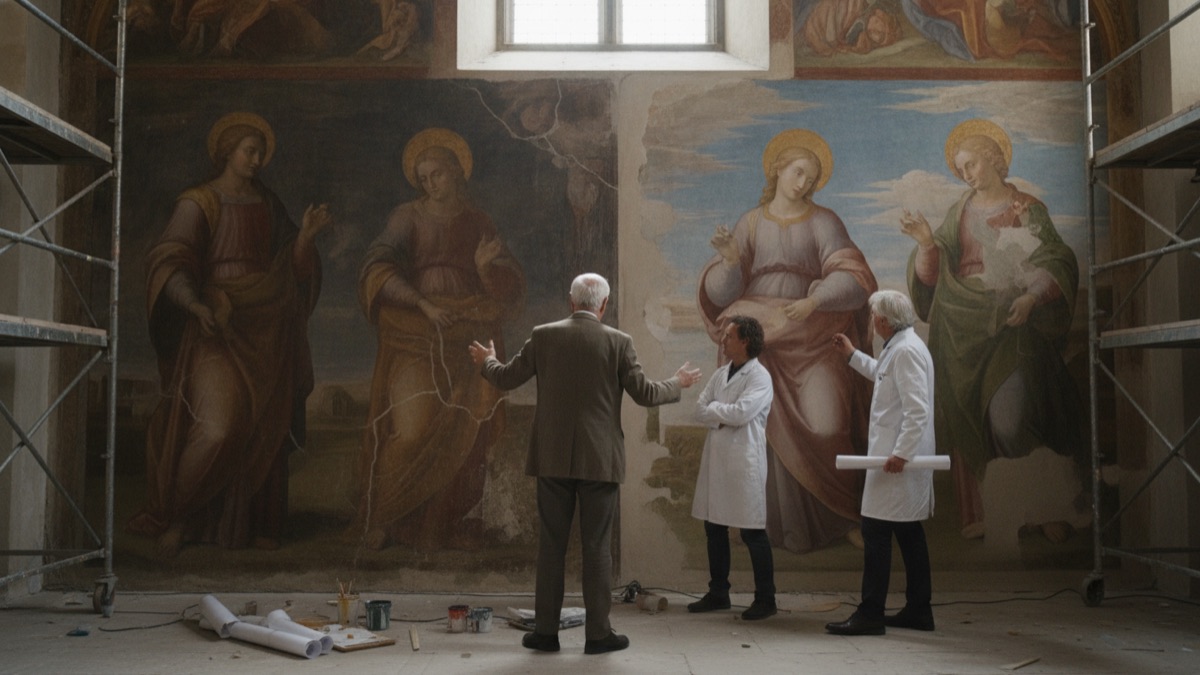
Why Art Restoration Controversies Divide Historians
Why cleaning and restoring old masterpieces sparks fierce debate among art historians, and what's actually at stake in the process.
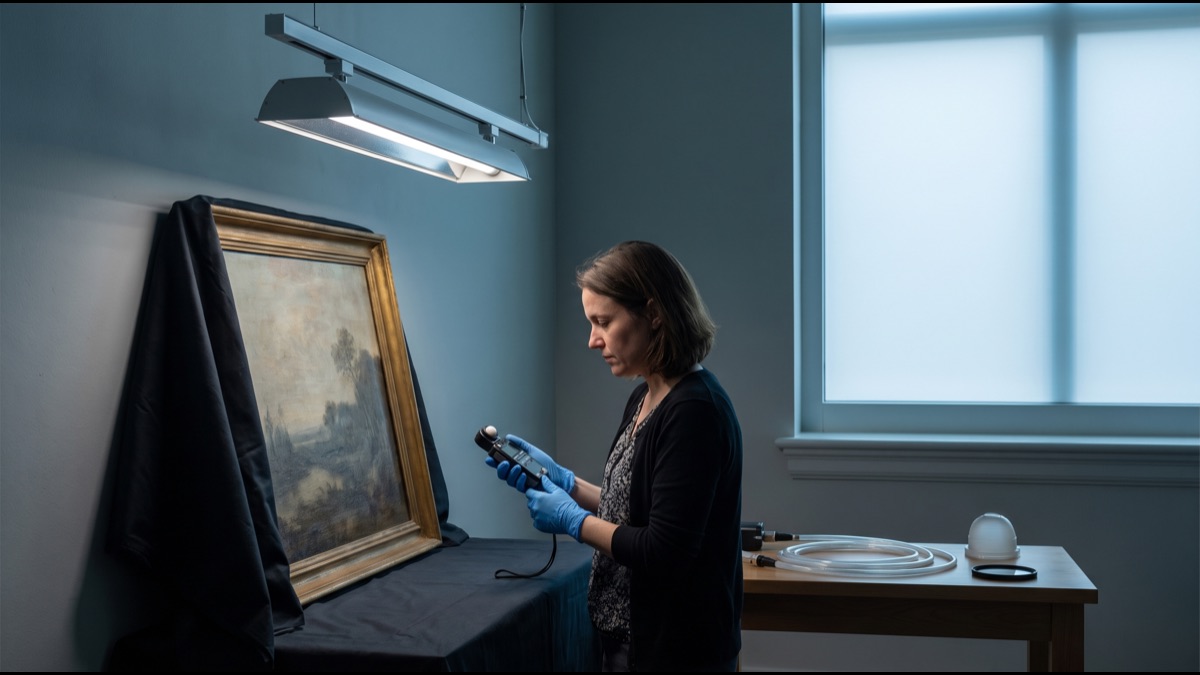
How Museum Lighting Is Designed to Protect Art
Why museum galleries are kept dim, how conservators measure light in lux-hours, and the science behind protecting paintings, textiles, and paper from fading.
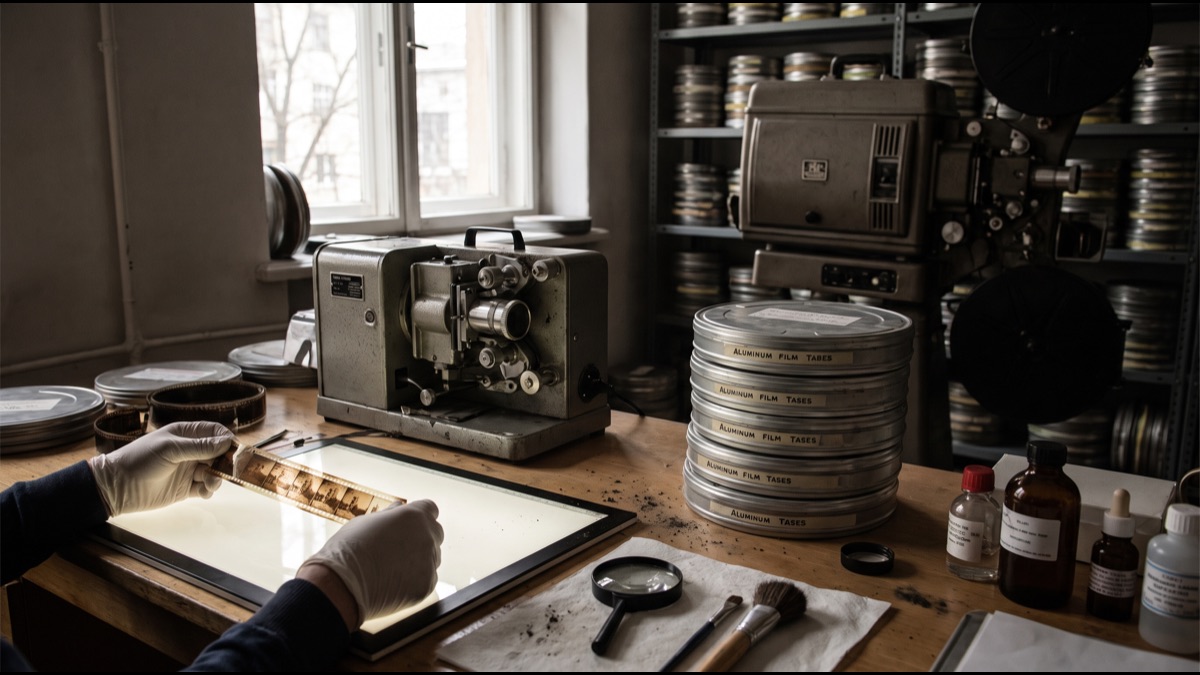
How Film Restoration Actually Brings Old Movies Back to Life
How film restoration actually works: scanning fragile reels, digital cleanup and color grading, archival preservation stakes, and famous restoration projects explained.
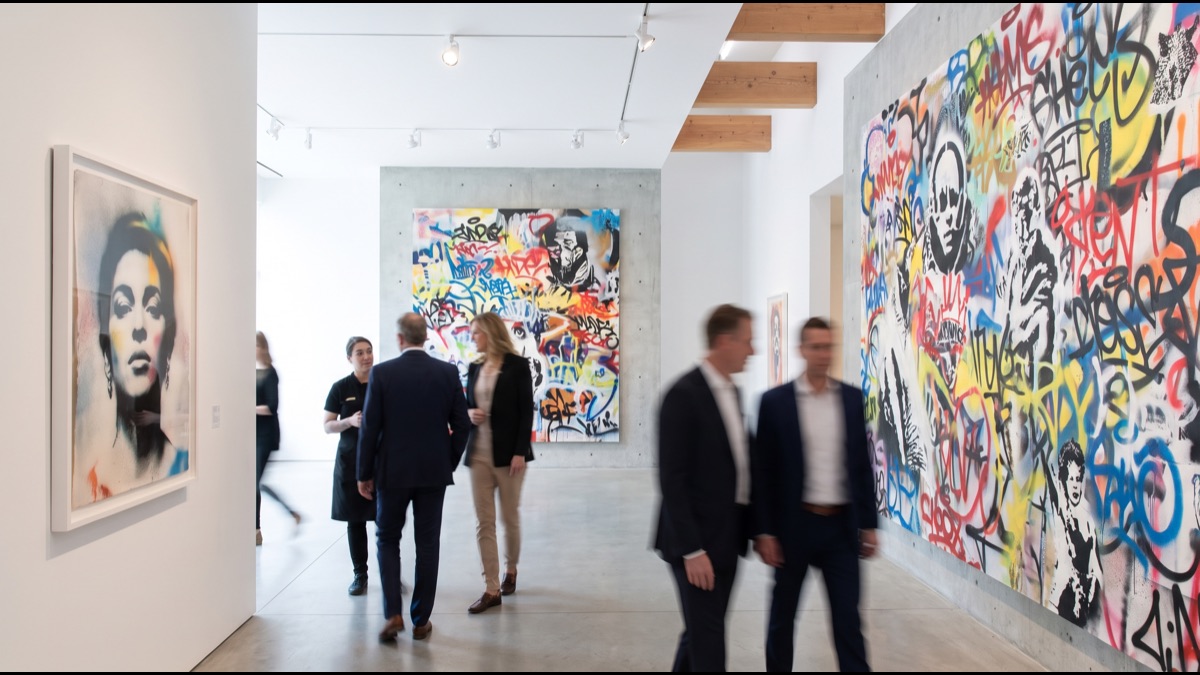
How Graffiti Became Legitimate Fine Art in Galleries
How graffiti became legitimate fine art: from subway tags to gallery walls, key artists and movements, the auction market, and the ongoing tension with anti-graffiti law.

How NFT Art Marketplaces Actually Work Now
How NFT art marketplaces actually work now: blockchain minting mechanics, what changed after the 2022 crash, royalty enforcement problems, and the market's current state.
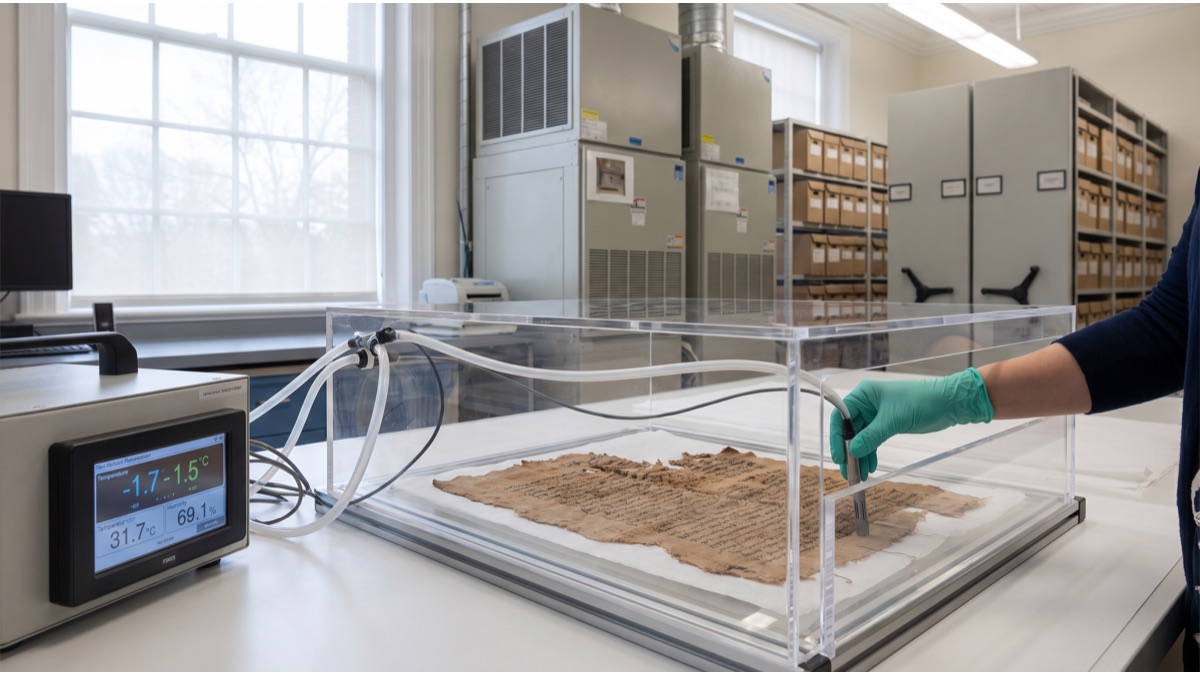
How Museum Climate Control Systems Actually Protect Artifacts
A painting can survive centuries in one room and crack within months in another. Here's how museums actually control temperature, humidity, and light to keep artifacts alive.
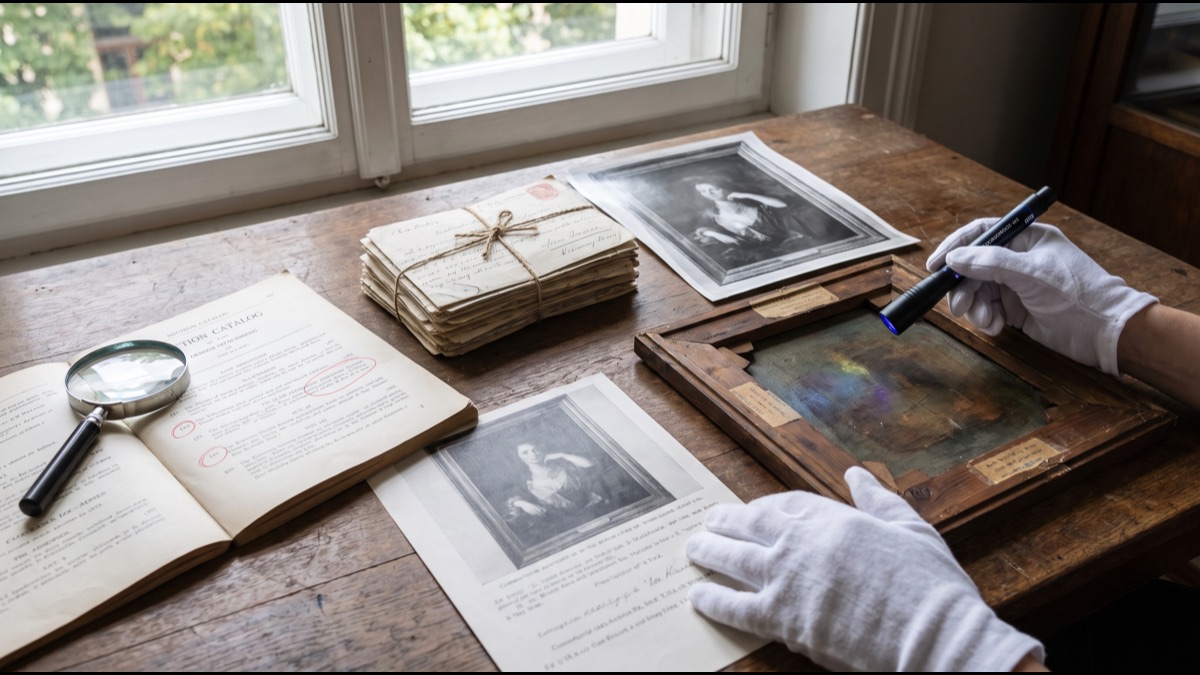
How Provenance Research Actually Traces a Painting's History
Before a museum buys or exhibits a painting, researchers try to reconstruct everywhere it has ever been. Here's how that detective work actually happens.
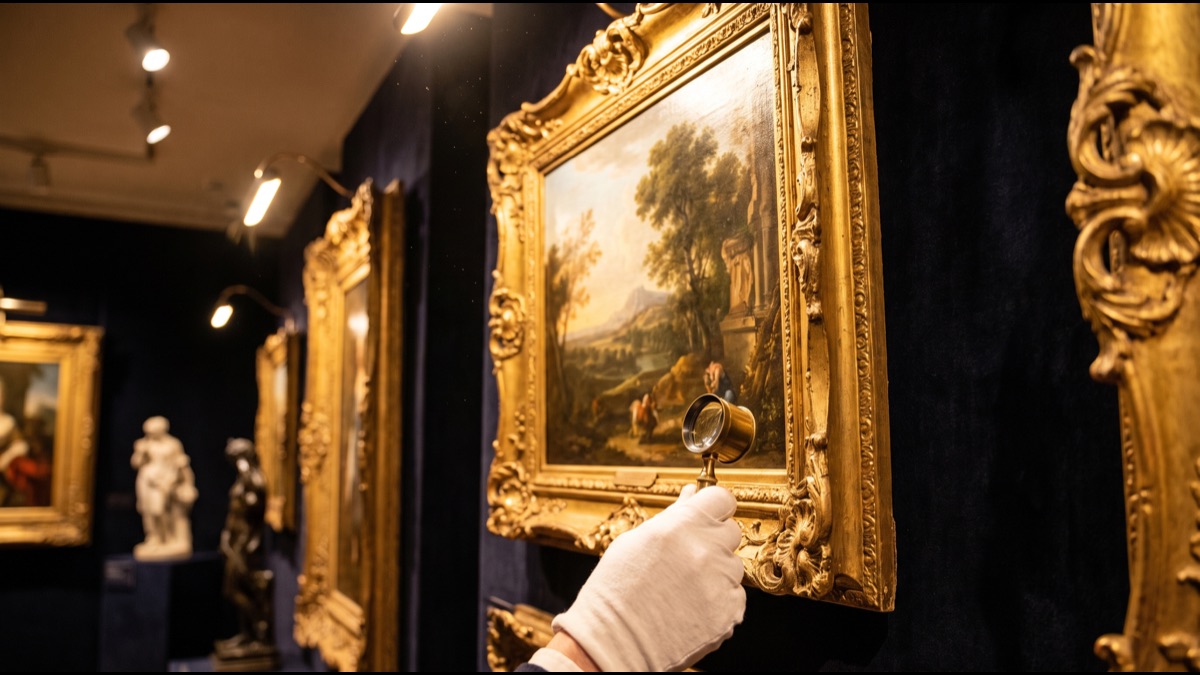
How Art Insurance Actually Values a Painting
A painting has no fixed price tag, yet insurers must assign one anyway. Here's how appraisers, auction records, and risk models actually value fine art for coverage.
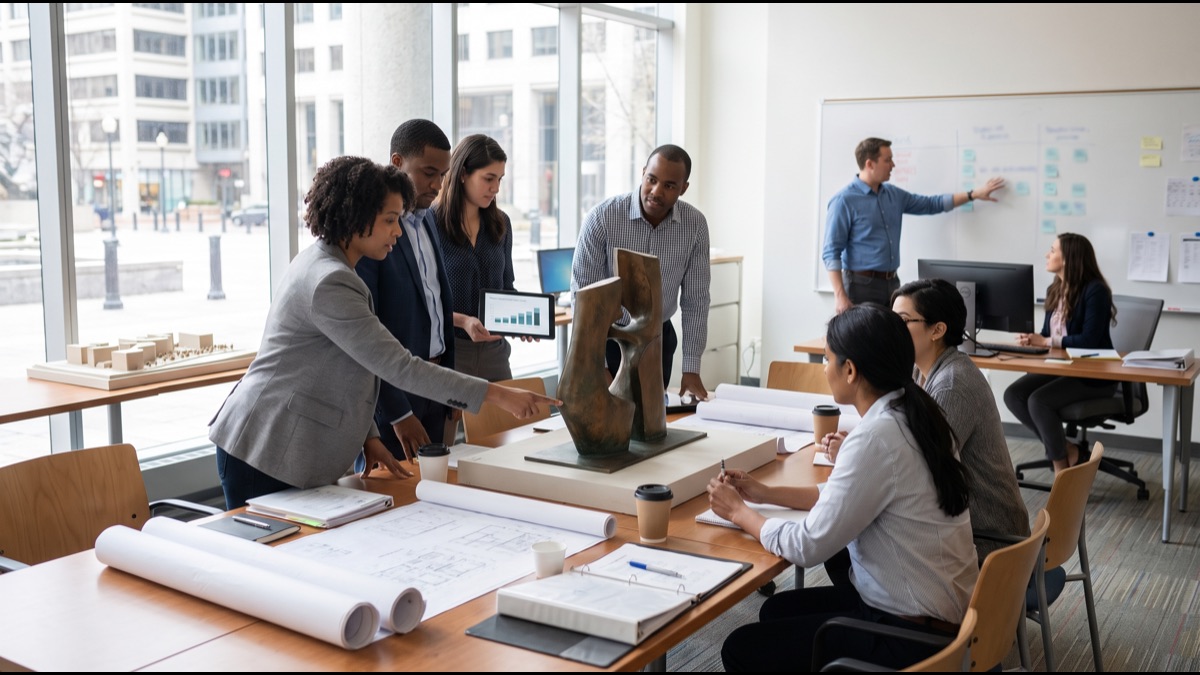
How Public Sculpture Commissions Actually Get Approved
A public sculpture rarely starts with an artist's idea. Here's the review boards, funding formulas, and community input that decide what gets built in a public square.
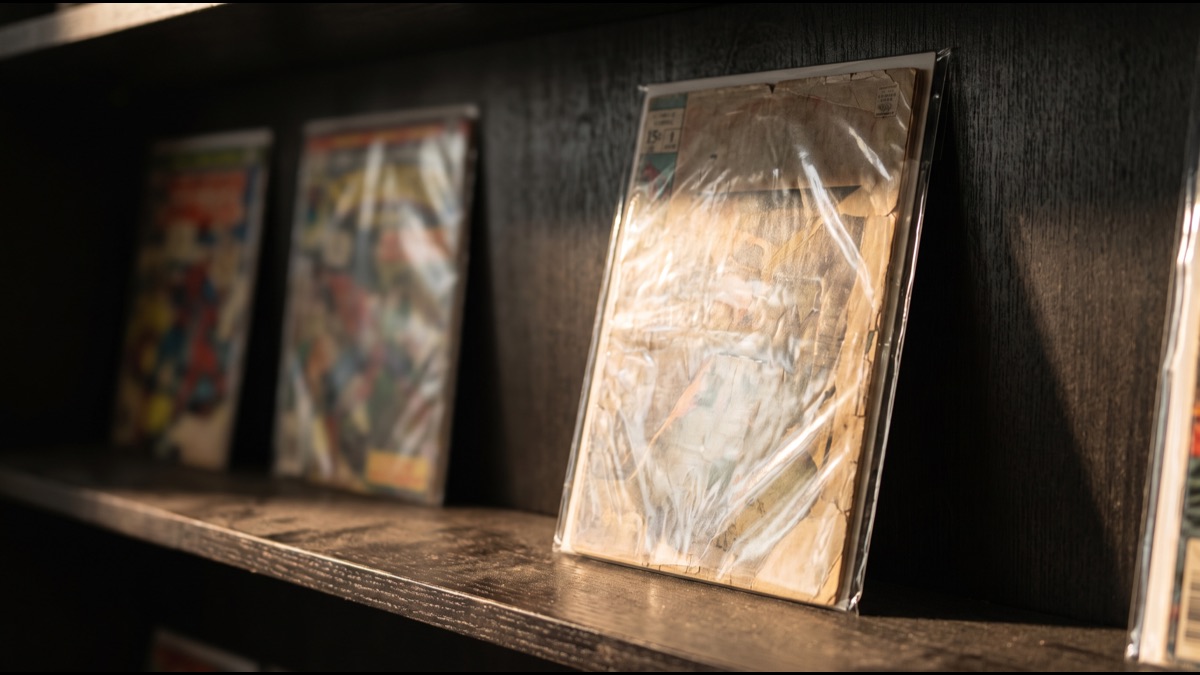
How Comic Book Grading Actually Works
A single grade point can multiply a comic's value tenfold. Here's the forensic process professional graders actually use to assign it.
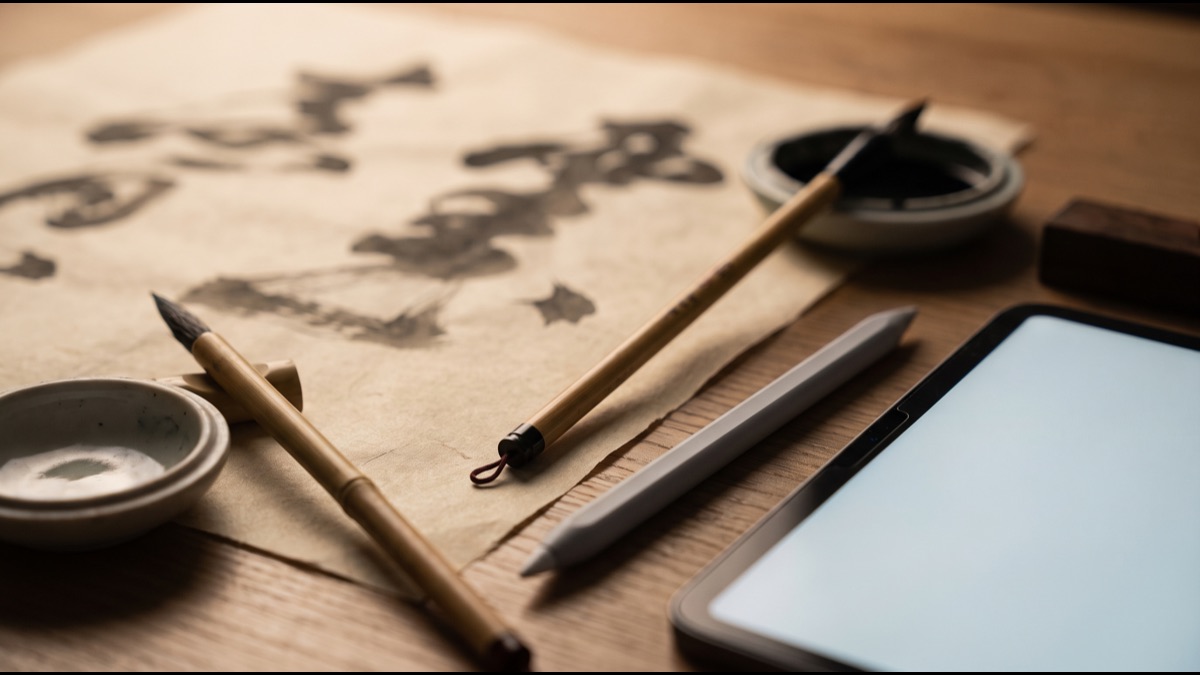
How Arabic Calligraphy Gets Digitized for Computers
Arabic script joins letters into flowing shapes that change with every neighbor. Turning that into a working computer font took decades of type engineering most readers never see.
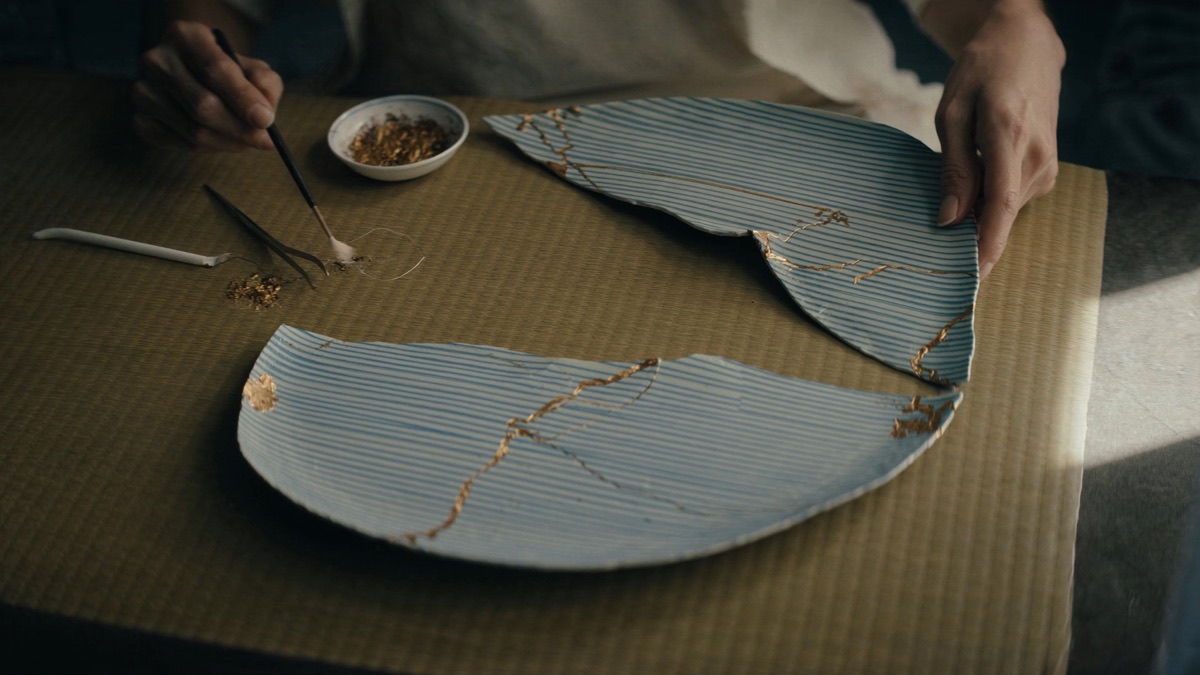
How Kintsugi Actually Repairs Broken Pottery With Gold
Kintsugi repairs broken pottery with lacquer and gold dust, deliberately highlighting the cracks rather than hiding them, turning damage into part of an object's history.
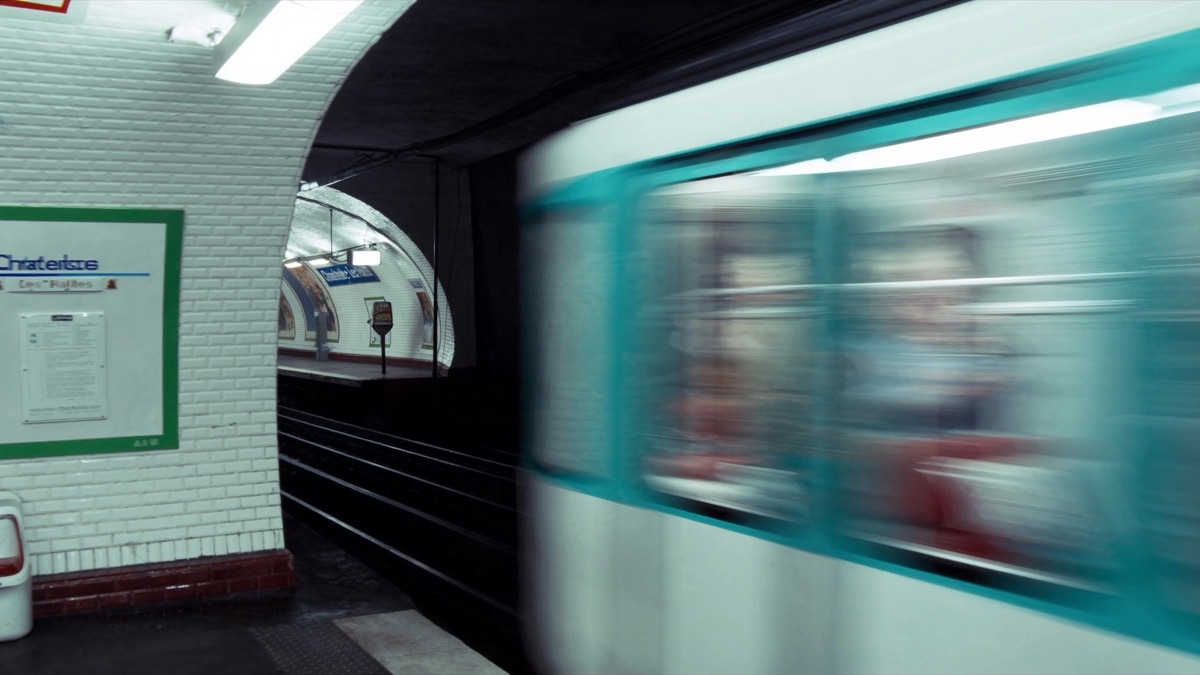
How Camera Shutter Speed Actually Freezes or Blurs Motion
Shutter speed is just a measurement of time, but that single number decides whether a hummingbird's wings freeze sharp or blur into a soft smear.
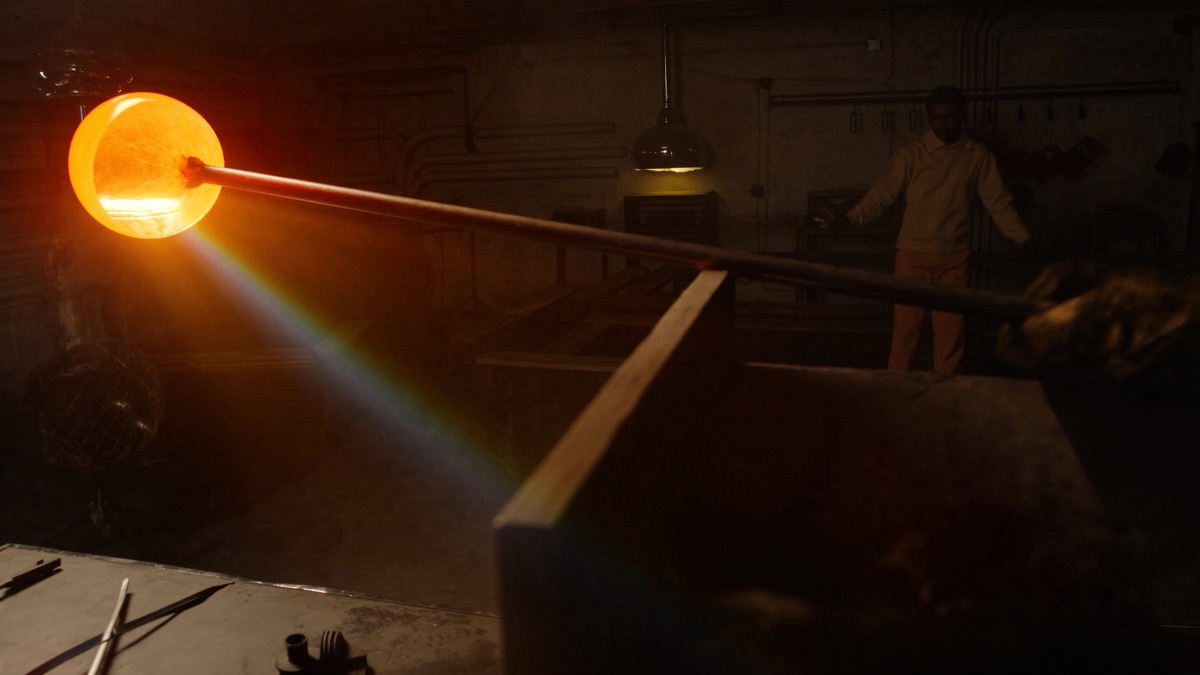
How Glass Blowing Actually Shapes Molten Glass With Breath
Glass at the right temperature behaves like thick honey, not liquid or solid. That narrow window is the only reason a human breath can shape it into a vase.
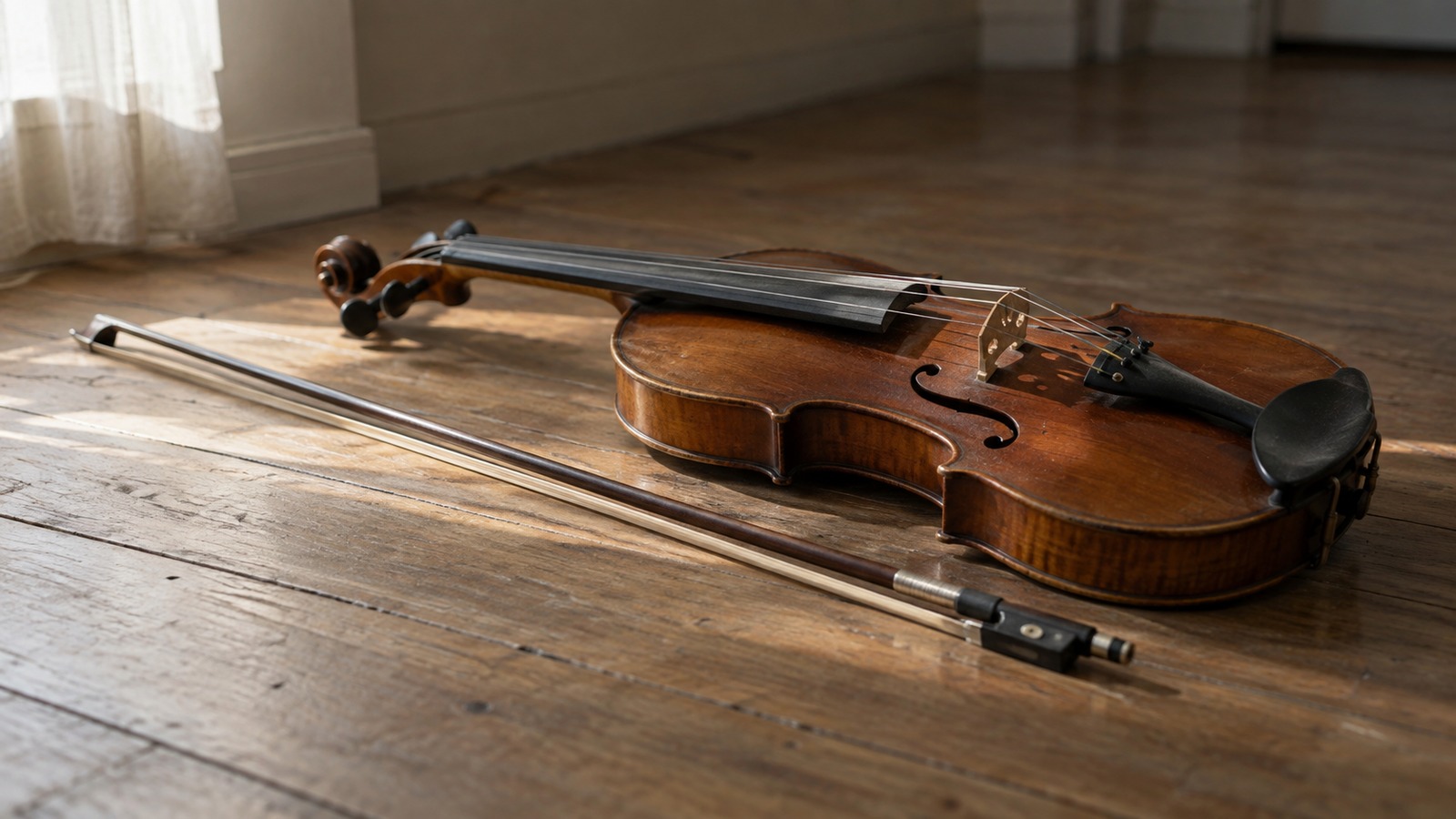
How a Violin Actually Turns a String Into Sound
A vibrating violin string moves almost no air. The instrument's real job is converting that tiny motion into sound through a carefully tuned wooden box.
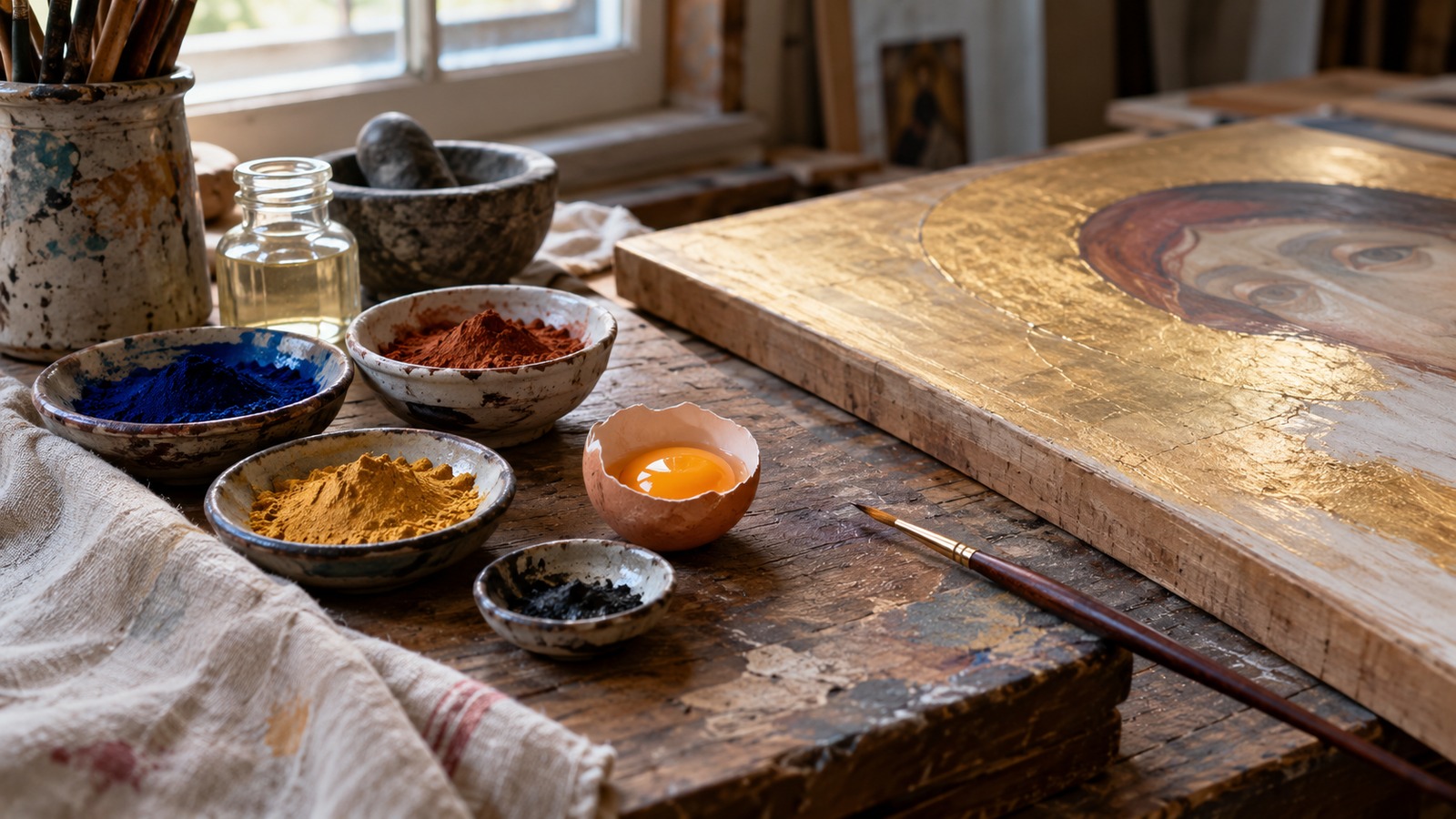
Why Egg Tempera Was Used Before Oil Paint
Egg tempera dried in minutes and forced thin hatched brushwork; oil paint's slow drying let painters blend, which is why it displaced tempera.
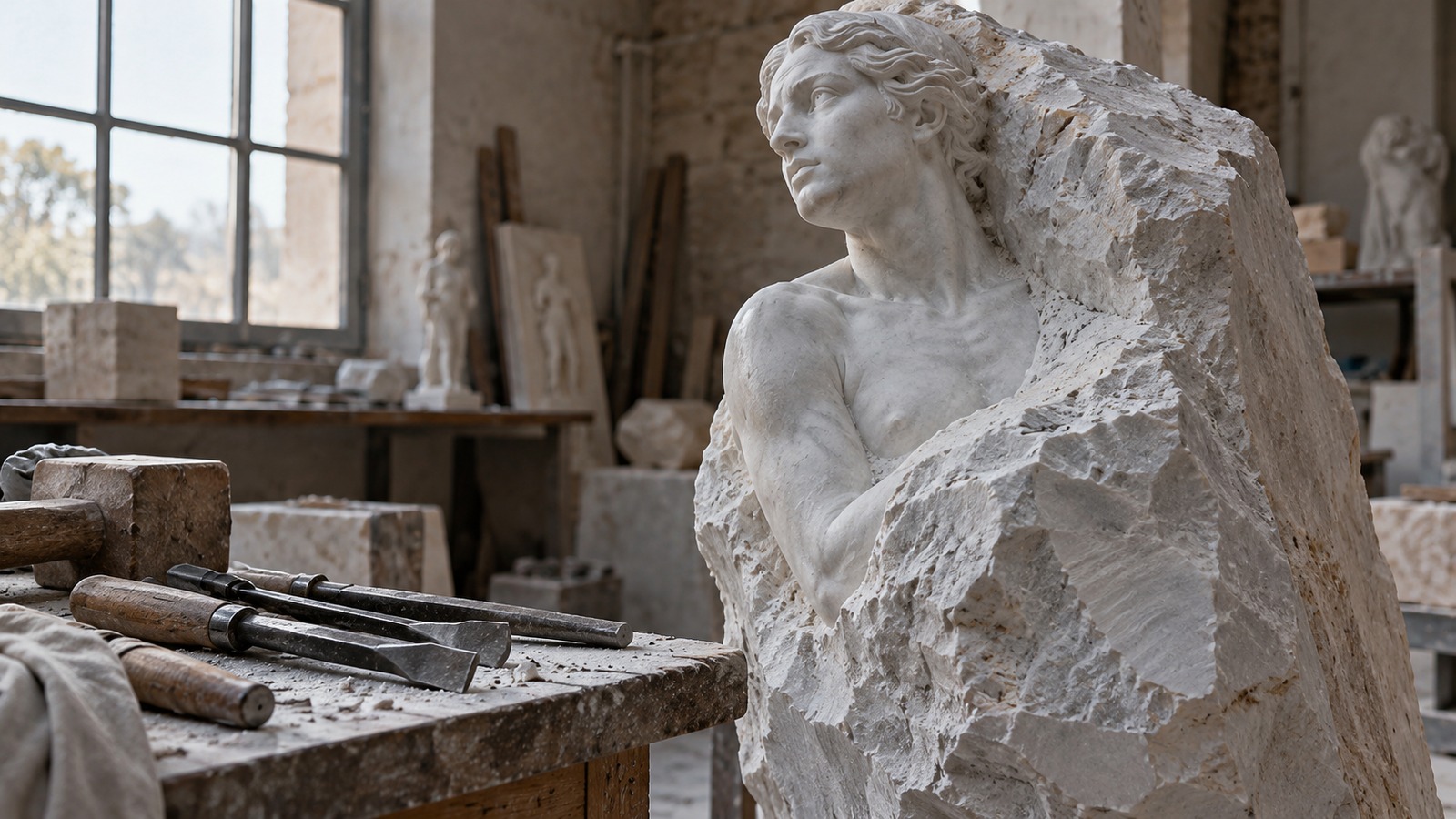
Why Some Sculptures Are Left Deliberately Unfinished
Some sculptures were left visibly emerging from raw stone on purpose. This 'non finito' choice is famous in Michelangelo's work, not abandonment.
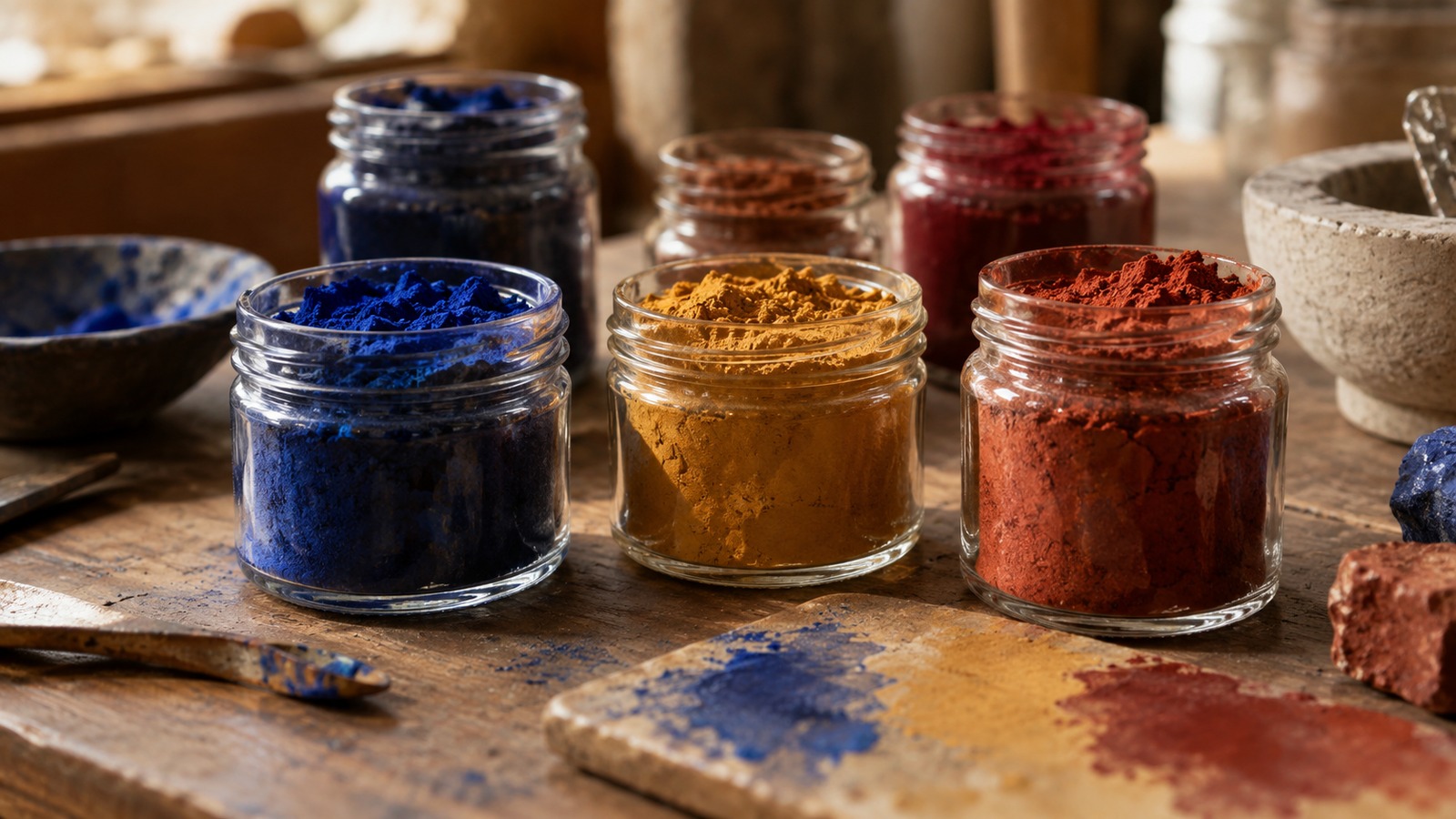
How Pigments Were Actually Sourced Before Synthetic Dyes
Ultramarine cost more than gold and Tyrian purple took thousands of crushed snails per gram, so pigment cost directly decided which colors artists could use.
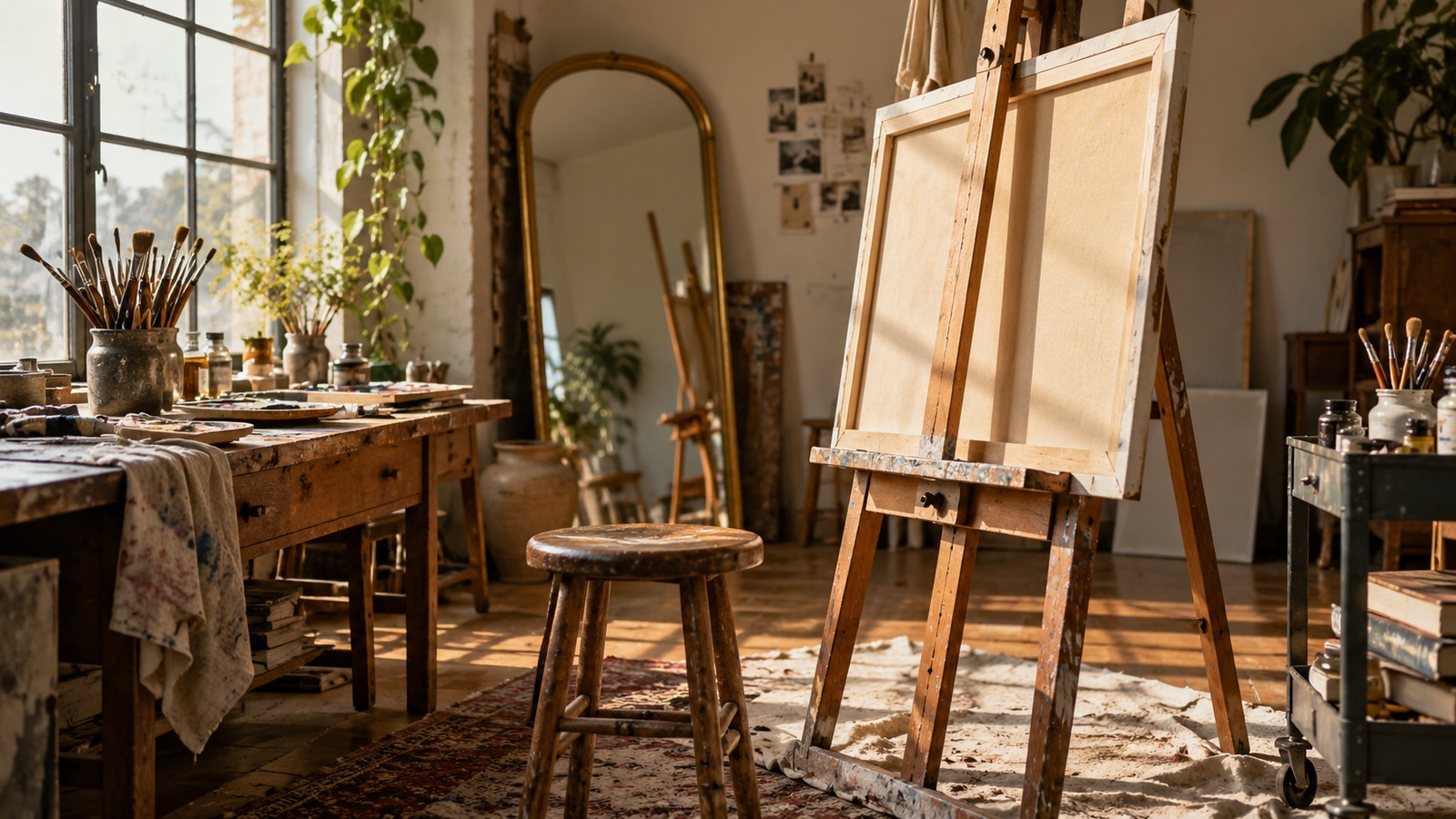
Why Self-Portraits Became a Distinct Genre
Better mirrors and a free, always-available model turned rare self-portrait cameos into a full Renaissance genre used for skill display and self-promotion.