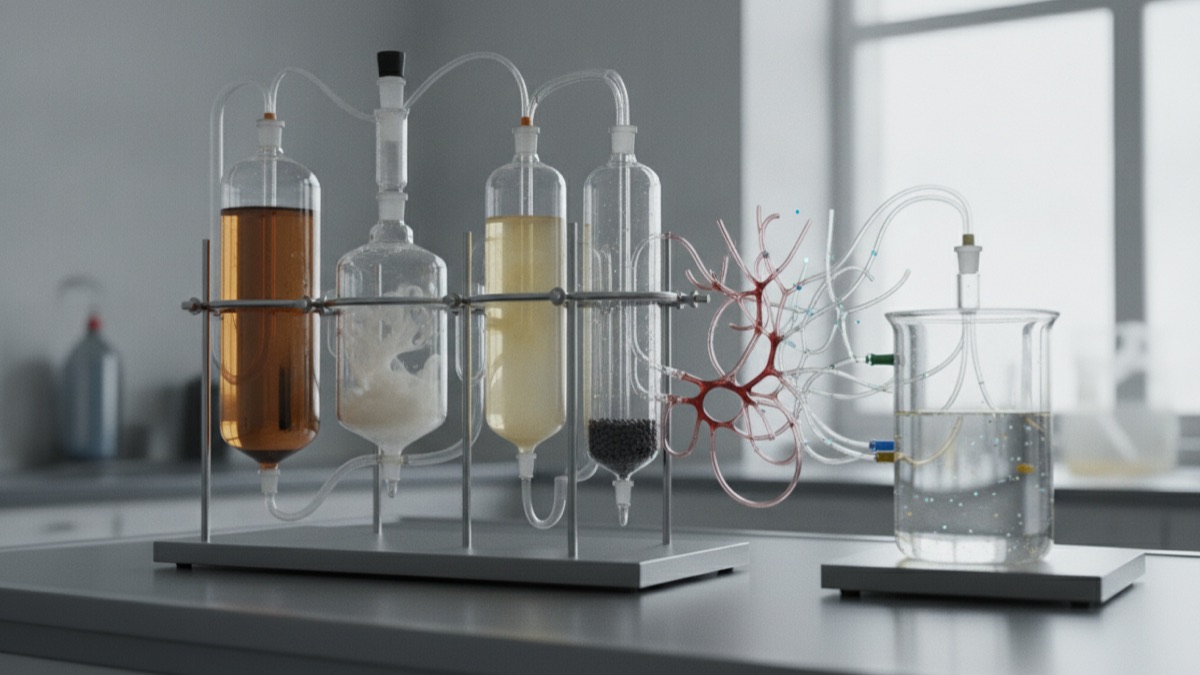
Roughly one standard drink an hour is the figure most people have heard. It gets repeated so often that it sounds like a fixed biological law, when it is really closer to a population average dressed up as a personal guarantee, sitting on top of a metabolic process that is considerably more intricate, and in one specific step more genuinely dangerous, than the tidy rule suggests.
Understanding what actually happens between a drink reaching your stomach and your body finally clearing it explains why two people at the same table can feel completely different effects from identical drinks, why certain populations flush red while others do not, and why almost none of the popular folk remedies for sobering up have any real basis in how the underlying chemistry works.
Why Alcohol Is Metabolized Differently From Food
Most of what you eat is broken down through digestion before it ever reaches the bloodstream in a form the body can use for energy. Alcohol is unusual because it is small enough and soluble enough to be absorbed directly through the lining of the stomach and small intestine, entering circulation well before any conventional digestive process has had a chance to act on it.
The body also treats alcohol as a priority substance to clear rather than a nutrient to store, because ethanol is mildly toxic and its intermediate breakdown product is considerably more so. This creates a genuine competition inside the liver: normal metabolic housekeeping, including fat and sugar processing, is measurably deprioritized while alcohol clearance is underway.
This is also why drinking on an otherwise empty stomach produces such a noticeably faster and stronger effect. With nothing to slow gastric emptying, alcohol reaches the small intestine, where the surface area available for absorption is far larger than in the stomach, much sooner, and blood alcohol concentration climbs correspondingly faster toward its peak.
The Liver's Central Role in Breaking It Down
Somewhere around ninety percent of the alcohol a person consumes is processed by the liver, with only a small remainder leaving the body unchanged through breath, sweat, and urine, which is incidentally the basis for breathalyzer testing.
The liver does not process alcohol at an adjustable rate the way it can speed up or slow down some other functions in response to demand. Its capacity to clear ethanol is fixed by the amount of a specific enzyme available at any given time, which is precisely why drinking faster does not mean clearing it faster, only accumulating it faster in the meantime.
How Alcohol Dehydrogenase Starts the Process
The first and rate-limiting step of alcohol metabolism is carried out by an enzyme called alcohol dehydrogenase, which converts ethanol into a compound called acetaldehyde. This reaction happens primarily in the liver, though a small amount occurs in the stomach lining itself, particularly in men, which is part of why body-weight-adjusted alcohol effects differ somewhat between sexes.
Because the enzyme's activity is essentially fixed, it processes alcohol at a roughly constant rate regardless of how much is in the bloodstream, a pattern pharmacologists describe as zero-order kinetics rather than the proportional clearance seen with most other substances the body metabolizes.
Why Acetaldehyde Is the Genuinely Toxic Step
Acetaldehyde is considerably more toxic to cells than the ethanol it comes from, capable of damaging proteins and DNA if it lingers, which is why the body immediately routes it to a second enzyme, aldehyde dehydrogenase, for further breakdown into acetate, a relatively harmless compound the body can use for energy or excrete.
Under ordinary circumstances this second step happens quickly enough that acetaldehyde does not accumulate to a noticeable degree. But when that second enzyme is less active, whether due to genetics, certain medications, or simply being overwhelmed by a high drinking pace, acetaldehyde builds up and is directly responsible for many of the more unpleasant acute symptoms associated with drinking.
How Genetics Explain the Flush Reaction
A genetic variant that reduces the activity of aldehyde dehydrogenase is common in parts of East and Southeast Asia, affecting a substantial share of the population in some countries. People carrying this variant clear acetaldehyde more slowly, so it accumulates even after modest drinking, producing the facial flushing, rapid heartbeat, and nausea commonly known as Asian flush.
This is not simply an intolerance in the everyday sense; it is a direct, measurable enzymatic difference, and it carries a genuine long-term health implication, since research has associated the variant with higher risk of certain cancers among people who drink heavily despite the reaction, precisely because acetaldehyde exposure is prolonged in their tissues.
Why Blood Alcohol Concentration Rises and Falls
Blood alcohol concentration climbs while absorption from the digestive tract is outpacing the liver's fixed clearance rate, typically peaking somewhere between thirty minutes and two hours after drinking depending on what else is in the stomach, and then declines in a straight, steady line rather than tapering off gradually.
That straight-line decline is a direct consequence of the fixed-rate enzyme system described earlier. Unlike caffeine or many medications, which clear proportionally faster when concentration is higher, alcohol leaves the bloodstream at essentially the same absolute rate whether concentration is very high or nearly back to zero.
What Actually Determines Metabolism Speed
The oft-cited "one drink per hour" figure is a rough average built around a healthy adult liver of typical size, and real clearance rates vary meaningfully around it based on liver size and health, genetic enzyme variants, habitual drinking pattern, and overall body composition.
Chronic heavy drinkers can, up to a point, metabolize alcohol somewhat faster than occasional drinkers because sustained exposure induces a secondary metabolic pathway in the liver, though this adaptation comes at the cost of generating more damaging byproducts along the way rather than representing a genuinely healthier form of processing.
Sex differences are also measurable and consistent across studies, not merely anecdotal. On average, women have a smaller proportion of total body water and somewhat lower activity of the stomach-lining enzyme that pre-processes some alcohol before it even reaches the liver, both of which contribute to higher peak blood alcohol concentration from an equivalent dose at an equivalent body weight.
Why Food Slows Absorption, Not Metabolism
Eating before or while drinking is genuinely effective at moderating intoxication, but it works by slowing gastric emptying and therefore the rate at which alcohol reaches the small intestine for rapid absorption, not by making the liver clear alcohol any faster once it is in the bloodstream.
This distinction matters practically: a meal can meaningfully blunt how high blood alcohol concentration peaks and how quickly, but it cannot reduce the total amount of alcohol that will eventually need to be cleared, nor speed up that underlying clearance process in any measurable way.
How Body Composition Changes the Effect
Alcohol distributes through the body's water content rather than its fat, so for a given amount consumed, a person with a higher proportion of body water relative to their total weight will end up with a lower peak blood alcohol concentration than someone with less.
This is a meaningful part, though not the only part, of why average effects can differ by sex and by age at a given body weight, alongside genuine differences in liver enzyme activity, and it is one of several reasons that generic drink-for-drink comparisons between different people are unreliable.
Why Tolerance Develops With Repeated Drinking
Repeated heavy exposure gradually induces a secondary liver enzyme pathway that supplements the primary one, modestly increasing metabolic clearance capacity over time, which is one genuine physiological component of tolerance rather than a purely psychological adaptation.
A second, distinct component happens in the brain itself, where receptors gradually adjust their sensitivity to alcohol's effects with repeated exposure, meaning a tolerant drinker can feel less impaired at a given blood alcohol concentration even though that concentration is affecting coordination and judgement to a similar underlying degree as it would in someone without that adaptation.
What Actually Happens During a Hangover
A hangover is not caused by any single mechanism but by several overlapping ones arriving together: residual acetaldehyde, dehydration from alcohol's effect on a hormone that regulates fluid retention, disrupted and lower-quality sleep even when total sleep time seems adequate, and mild inflammatory responses the body mounts to the presence of alcohol and its byproducts.
Because these mechanisms are somewhat independent of one another, no single remedy reliably addresses all of them at once, which is part of why hangover severity varies so much between individuals and why no widely marketed hangover cure has strong, consistent supporting evidence behind it.
Congeners, the byproduct compounds that give darker spirits like whisky and red wine their distinctive flavour and colour, are also produced in meaningfully higher amounts than in clear spirits like vodka, and some research associates higher congener content with worse next-day symptoms, offering a partial explanation for why the same amount of alcohol from different drinks can leave noticeably different aftermaths.
Why Sobering-Up Tricks Mostly Do Not Work
Coffee, cold showers, exercise, and fresh air can all make a person feel more alert or subjectively more in control, but none of them measurably increase the liver's fixed rate of alcohol clearance, meaning blood alcohol concentration — and genuine impairment of coordination, reaction time, and judgement — continues to fall at exactly the same underlying pace regardless.
This gap between feeling more sober and actually being less impaired is precisely why these techniques are considered mildly risky by public health authorities: a person who feels alert after coffee may make riskier decisions, including about driving, while their actual measurable impairment has not changed at all.
How Chronic Drinking Damages the Liver
Because the liver bears the overwhelming majority of alcohol metabolism, it also bears the overwhelming majority of the resulting cellular stress. Sustained heavy drinking over years can progress through a recognized sequence, beginning with fatty deposits accumulating in liver cells, then inflammation, and in a meaningful proportion of long-term heavy drinkers, progressive scarring known as cirrhosis that permanently impairs liver function.
Earlier stages of this progression, particularly fatty liver, are generally reversible with sustained reduction or cessation of drinking, which is part of why health authorities emphasize that liver damage from alcohol exists on a continuum rather than as a single threshold a person either has or has not crossed.
Why Mixing Alcohol With Medication Is Risky
Alcohol and many medications, including common sedatives, some pain relievers, and several antibiotics, either compete for the same liver enzymes or amplify each other's depressive effect on the central nervous system, which is why medication labelling around alcohol interaction is considerably more than routine legal caution.
Some interactions raise blood levels of the medication to unsafe levels, others amplify alcohol's own effects unpredictably, and a smaller number produce specific unpleasant reactions, all of which explains why checking interactions genuinely matters rather than being a formality most people can safely ignore.
What the Evidence Says About Drinking Limits
Public health guidance on what constitutes lower-risk drinking has shifted over recent years as longer-term population research has accumulated, with several national health authorities revising their guidance toward lower thresholds than were commonly cited a generation ago, reflecting a more cautious reading of long-term cumulative risk.
The underlying biology explored above helps explain why: because clearance capacity is essentially fixed per person and cannot meaningfully be trained or accelerated, the only genuine lever available to reduce alcohol's physiological burden on the liver and the rest of the body is the total amount and frequency consumed over time, not any technique applied during or after drinking.
Alcohol-free days between drinking occasions have also received specific attention in recent guidance, on the reasoning that giving the liver an uninterrupted stretch without ethanol to process allows fat clearance and other routine hepatic housekeeping to catch up, something that stays measurably suppressed on days when alcohol is present in the system, regardless of how modest that day's quantity might have been.
Alcohol's effects feel unpredictable partly because the underlying system genuinely is variable between individuals, shaped by enzyme genetics, liver health, body composition, and drinking history, while remaining strikingly consistent within a given person from one occasion to the next. The one-drink-per-hour rule survives as a reasonable planning estimate precisely because the fixed-rate clearance mechanism behind it is real, even though the exact number it produces for any specific person is only ever an approximation.
None of the mechanisms above offer a shortcut. Time, not any drink, supplement, or trick, is the only variable that reliably clears alcohol from the body, and understanding why makes it considerably easier to plan around realistically rather than trusting folk remedies that feel effective without actually changing the underlying chemistry, whether that is timing a first drink around a meal, recognizing that a felt sense of alertness after coffee says nothing about actual impairment, or simply building in more recovery time before driving or other demanding tasks than the one-drink-per-hour rule of thumb implies for a given evening, since the margin between "feeling fine" and "actually cleared" is exactly where most of the real-world risk quietly lives.
Sources
- Wikipedia — overview of alcohol metabolism pathways and enzymes
- U.S. National Institute on Alcohol Abuse and Alcoholism — research on alcohol pharmacology and health effects
- World Health Organization — global guidance on alcohol consumption and public health
- U.S. Centers for Disease Control and Prevention — data on alcohol-related health risks
- UK National Health Service — public guidance on drinking limits and liver health
FAQ
Does coffee sober you up faster?
No. Caffeine can make a drinker feel more alert, but it does not speed up how quickly the liver breaks down alcohol, so blood alcohol concentration falls at the same rate regardless.
Why do some people turn red when they drink?
A genetic variant common in parts of East Asia produces a less active version of the enzyme that clears acetaldehyde, letting that toxic intermediate build up and cause flushing, a reaction often called Asian flush.
Does drinking water prevent a hangover?
It helps with the dehydration component, but a hangover involves several overlapping mechanisms including acetaldehyde buildup and disrupted sleep, so water alone will not eliminate it.
Do all people metabolize alcohol at the same rate?
No — rate varies with genetics, liver health, body composition, sex, and even recent food intake, which is why the same drink affects two people quite differently.
How long does it take to clear one standard drink?
Roughly one hour on average for a healthy adult liver, though this figure varies meaningfully between individuals and cannot reliably be sped up.
About the Author
We reference Wikipedia, the U.S. National Institute on Alcohol Abuse and Alcoholism, the World Health Organization, the U.S. Centers for Disease Control and Prevention, and the UK National Health Service to explain the background and current understanding of this topic.
Loved This Article?
Share it on WhatsApp → Share it on WhatsApp
Get more guides in your inbox — Subscribe to our newsletter for weekly surprising stories from Egypt, Saudi Arabia, Dubai, and beyond.