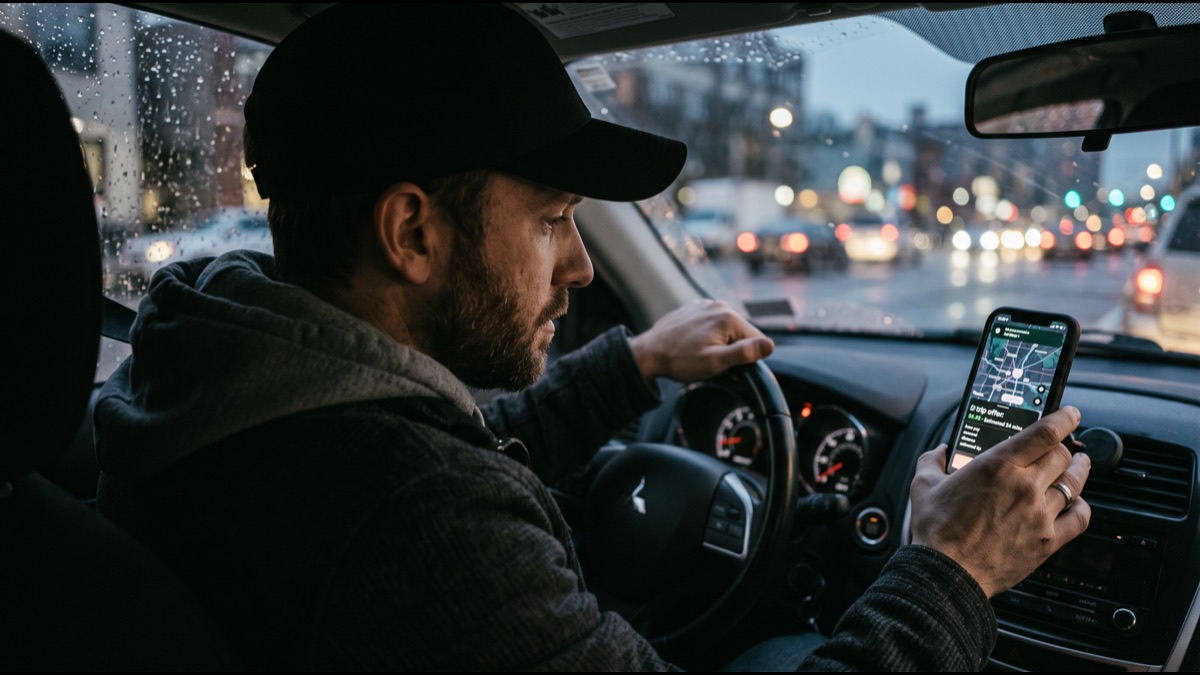
A driver accepts a trip request showing a total fare of eighteen dollars. Twenty minutes later, a friend doing the exact same route at the exact same time gets offered twenty-two dollars for what looks like an identical job. Neither driver can see why. This is the experience that has driven a wave of frustration, lawsuits, and new city regulations across the gig economy, and it stems from a genuine and significant shift in how ride-hailing and delivery platforms calculate pay, moving away from a transparent formula anyone could reconstruct with a stopwatch and toward opaque, individually predicted pricing generated by machine learning systems that few outside the companies fully understand.
Two Drivers, Same Trip, Different Fares
Stories like the one above have become common enough in driver forums and among labor researchers that they represent a documented pattern rather than an isolated anomaly, with independent analysts and journalists collecting screenshots showing identical routes generating meaningfully different driver payouts within the same short window of time.
Platforms generally attribute these differences to real-time changes in localized supply and demand conditions between the moment each driver received their offer, an explanation that is technically plausible but difficult for any individual driver to verify given the lack of visibility into the underlying calculation.
This gap between a platform's technical explanation and a driver's ability to confirm it independently sits at the center of nearly every major dispute about gig economy pay, and understanding the underlying mechanics helps explain why the frustration is so persistent.
The Old Model: Time and Distance
For years, ride-hailing platforms used a relatively straightforward metered pricing model: a base fare plus a rate per minute plus a rate per mile or kilometer, multiplied by a surge factor during high demand, a formula transparent enough that drivers and riders alike could roughly estimate a fare before a trip began.
Under this model, the fare a driver earned was directly tied to the length and duration of the actual trip taken, meaning two drivers completing genuinely identical trips at the same time would generally receive very close to the same payout, since the underlying formula applied consistently.
This transparency made the metered model relatively easy for drivers, researchers, and regulators to audit, since the inputs, distance, time, and a published surge multiplier, were all independently observable rather than hidden inside a proprietary model.
The Shift to Upfront, Predictive Pricing
Beginning around 2022, major platforms including Uber increasingly moved toward what is generally called upfront pricing: rather than calculating a fare after the trip based on actual time and distance, the system predicts and locks in a total price and driver payout before the trip even begins, based on the platform's estimate of the completed route.
Upfront pricing was marketed to riders and drivers primarily as a transparency improvement, since it lets both sides see a guaranteed total figure before committing to a trip rather than an estimate that could change based on traffic or route deviations during the ride itself.
The tradeoff drivers have raised is that the predictive model determining that upfront number is proprietary and not simply time multiplied by distance, meaning the direct, verifiable link between the actual work performed and the amount paid has become substantially harder to independently confirm.
What Data Feeds the Pricing Algorithm
Modern gig platform pricing models reportedly incorporate a wide range of signals beyond basic route distance and time, including real-time driver supply in the immediate area, current and predicted rider demand, historical demand patterns for that route and time of day, and estimated traffic conditions along the specific path.
Some researchers and journalists investigating these systems have also raised questions about whether additional rider-side and driver-side signals, including a rider's historical price sensitivity or willingness to pay, factor into the final price shown, claims platforms have generally denied using in the specific personalized sense critics allege.
Because the exact weighting and full input list of these proprietary models are not publicly disclosed, independent verification of exactly what drives a given price remains largely impossible for outside researchers, drivers, or regulators without direct access to the company's internal systems.
How Surge and Dynamic Multipliers Actually Work
Surge or dynamic pricing applies an additional multiplier to the base calculated fare within a specific, often quite small, geographic zone when the real-time ratio of rider requests to available nearby drivers crosses a certain threshold, intended to serve two purposes simultaneously.
First, raising the price during a demand spike is intended to moderate rider demand somewhat by discouraging less urgent trips, and second, and generally described by platforms as the more important function, the higher fare is meant to attract more drivers into that specific zone by making trips there temporarily more lucrative.
Surge zones can be extremely localized and short-lived, sometimes covering just a few city blocks for only several minutes, which is part of why two riders standing a short distance apart, or the same rider refreshing an app repeatedly, can see meaningfully different surge multipliers within a very short window.
Why the Same Route Can Pay Differently Twice
Under an upfront, predictive pricing model, the same physical route at different moments can generate genuinely different predicted values because the underlying supply and demand inputs, and potentially other predictive signals, are recalculated fresh for essentially every request rather than being derived from a single fixed public formula.
This means a driver's payout for what looks like an identical trip on paper can vary not just due to surge pricing in the traditional sense but due to more granular differences in how the algorithm valued that specific request at that specific moment, based on factors not visible to the driver receiving the offer.
Driver advocacy groups have argued this variability, even when explainable in aggregate by platforms, undermines a driver's ability to make informed decisions about which trip requests to accept, since the driver cannot verify in real time whether a given offer reflects a fair value for the work involved.
The Personalized Pricing Debate
A persistent and contested claim among some drivers and independent researchers is that upfront pricing algorithms may factor in rider-specific signals, such as a rider's typical spending patterns, phone battery level, or historical price sensitivity, to generate a personalized price rather than a route-based one alone.
Platforms have generally and specifically denied using individual, discriminatory personal characteristics like phone battery level to set prices, describing such claims as misunderstandings of aggregate demand-based pricing rather than accurate depictions of how their systems function.
Because the pricing models are proprietary, this dispute has proven difficult to resolve conclusively through outside research alone, and it remains one of the more contentious open questions driving both consumer and driver distrust of algorithmic pricing systems generally.
What Platforms Actually Take as Commission
Ride-hailing and delivery platforms generally retain a commission from the total rider fare before paying the driver, with reported rates commonly falling in a range around 25 to 30 percent depending on the specific platform, market, and fee structure applicable to a given trip or region.
This commission structure means a driver's actual take-home payout is not simply the rider's total fare minus the platform's cut in a fixed, always-visible way, since additional fees, promotions, and the upfront pricing model's internal calculations can affect exactly how much of a given rider payment reaches the driver.
Driver advocacy organizations in multiple markets have specifically called for greater mandated transparency around commission structures, arguing that without a clear, verifiable breakdown, drivers cannot reliably assess whether their effective pay rate is fair relative to the platform's own earnings from a given trip.
How Delivery Apps Price Differently From Rideshare
Food and grocery delivery platforms generally use a somewhat different pay structure than rideshare, typically combining a base pay component per delivery, additional pay tied to distance or estimated time, customer tips passed through directly, and periodic promotional bonuses tied to completing a set number of deliveries in a given window.
Batch or basket-based delivery platforms, common in grocery delivery, often calculate pay based on estimated shopping and delivery time and order complexity rather than a simple per-item or per-mile rate, adding another layer of algorithmic estimation that workers frequently report as similarly difficult to verify in advance.
Across delivery platforms, base pay levels have generally trended lower over time relative to the reliance on tips and promotional incentives to reach a livable per-hour rate, a shift labor researchers have linked to platforms using promotional structures partly to offset lower guaranteed base pay.
Gamification: Quests, Streaks, and Guaranteed Earnings
Beyond the base pricing algorithm, many platforms layer gamified incentive structures on top of per-trip pay, including "quest" bonuses for completing a set number of trips within a time window and streak bonuses for maintaining consistent activity, designed specifically to influence when and how long drivers choose to work.
Researchers studying these platform design choices, sometimes describing the broader pattern as algorithmic management, have argued gamified incentives function similarly to variable-reward systems studied in behavioral psychology, encouraging drivers to work longer or during specific hours the platform needs coverage without directly mandating a schedule.
Because participation in quests and bonus structures is generally optional but meaningfully affects total earnings, some labor advocates argue these incentive layers function as a form of indirect scheduling control that complicates the independent contractor classification many platforms rely on.
Why Drivers Say the System Feels Opaque
Driver surveys and interviews conducted by labor researchers and journalists consistently surface a common complaint: drivers generally cannot see the specific breakdown of how a given trip's total price was calculated, what share the platform retained, or why an equivalent-looking trip paid differently than a previous one.
This opacity is compounded by the fact that pricing algorithms are proprietary trade secrets that platforms have generally declined to disclose in detail even in response to regulatory inquiries, citing competitive concerns, leaving drivers to rely on aggregated, anecdotal pattern recognition rather than verifiable data about their own pay.
Several driver advocacy organizations have specifically pushed for legally mandated, itemized pay transparency requirements, modeled partly on the kind of itemized paycheck disclosure common in traditional employment, as a direct response to this recurring complaint.
Algorithmic Deactivation and Its Link to Pay
Beyond pricing itself, drivers on these platforms are also subject to algorithmic performance monitoring covering metrics like acceptance rate, cancellation rate, and customer ratings, with consistently low scores on these metrics able to trigger automated warnings or, in more serious cases, account deactivation.
This monitoring interacts directly with pay dynamics because a driver worried about acceptance-rate penalties may feel pressure to accept lower-paying or less favorable trip offers rather than risk the metric-based consequences of repeated declines, a dynamic labor researchers have described as an indirect but real constraint on a driver's actual freedom to select higher-paying work.
Platforms generally describe these performance metrics as necessary for maintaining service quality and safety standards, while driver advocates argue the lack of a clear, humanly reviewable appeals process for algorithmic deactivation decisions compounds the broader transparency concerns already present in the pay calculation itself.
Regulatory Pushback: New York and Seattle
New York City's Taxi and Limousine Commission introduced minimum per-trip pay standards for rideshare drivers, first implemented in 2019 and periodically updated since, directly in response to research finding a substantial share of drivers earning below the equivalent of local minimum wage once vehicle expenses were factored into their effective hourly pay.
Seattle introduced its own minimum compensation ordinance for app-based drivers covering both rideshare and delivery platforms, establishing minimum per-mile and per-minute payment floors specifically designed to establish a verifiable pay baseline independent of the platforms' proprietary pricing algorithms.
These city-level interventions represent a direct regulatory response to the opacity problem: rather than attempting to force platforms to disclose their full pricing algorithm, regulators instead established minimum guaranteed compensation floors that apply regardless of what a given platform's internal model calculates for any specific trip.
Prop 22, the EU Directive, and the Employment Question
California's Proposition 22, passed by voters in 2020, classified app-based drivers as independent contractors rather than employees while mandating certain minimum earnings guarantees and benefits, a compromise structure that has become a widely referenced model, and a widely contested one, in subsequent gig economy policy debates elsewhere.
The European Union's Platform Work Directive, adopted in 2024, took a different approach, establishing a legal presumption of employment status for platform workers under specified conditions, a framework that, if a worker is classified as an employee rather than a contractor, generally brings additional pay transparency and minimum wage protections that algorithmic upfront pricing models would need to accommodate.
The underlying employment classification question matters directly for pay transparency because employee status in most jurisdictions carries stronger legal requirements around itemized pay disclosure than independent contractor status typically does, making the classification fight and the pay transparency fight closely linked in practice.
What Drivers Can Actually Verify About Their Pay
Despite the opacity surrounding the underlying algorithm, drivers can still track and compare their own trip-level payout data over time, and several independent driver-run tools and forums have emerged specifically to aggregate this anonymized data across many drivers to look for broader patterns.
Some jurisdictions now require platforms to provide drivers with a basic itemized breakdown of a given trip's rider fare, platform commission, and driver payout, a transparency requirement that, while not exposing the full predictive algorithm, gives drivers at least a verifiable accounting of where a specific payment went.
Labor economists studying the sector generally recommend drivers track their own effective hourly earnings after accounting for vehicle depreciation, fuel, and insurance costs, since headline per-trip figures alone can meaningfully overstate actual take-home pay once real operating expenses are subtracted.
Where Gig Pricing Is Headed
The overall trend across major markets points toward continued regulatory pressure for greater pay transparency, with several other cities and countries actively considering New York and Seattle-style minimum compensation standards or itemized disclosure requirements modeled on those already in place.
At the same time, platforms have generally continued expanding rather than retreating from predictive, upfront pricing models, arguing the approach genuinely improves the customer experience through price certainty even as they face mounting pressure to make the underlying driver-side calculations more verifiable.
The likely trajectory is neither a full return to simple, transparent metered pricing nor an unregulated continuation of fully opaque algorithmic pricing, but rather a continued push toward mandated minimum pay floors and itemized disclosure requirements layered on top of pricing models that remain, in their core mechanics, proprietary.
The shift from a transparent, formula-based fare to proprietary, predictive pricing represents one of the more significant and least visible changes in how gig work actually pays, and it explains why a system riders often experience simply as convenient price certainty feels, from the driver's seat, like an unaccountable black box. Regulatory responses in cities like New York and Seattle, along with broader employment-status battles playing out from California to the European Union, suggest the pay transparency question is far from settled, and drivers, researchers, and regulators are likely to keep pushing platforms toward some form of verifiable minimum standard even as the underlying algorithms themselves remain closely guarded.
Sources
- New York City Taxi and Limousine Commission — Minimum pay standard rules and driver earnings research for app-based drivers.
- City of Seattle — Minimum compensation ordinance for app-based rideshare and delivery drivers.
- European Commission — The EU Platform Work Directive and its employment status presumption framework.
- International Labour Organization — Research on algorithmic management and platform work conditions globally.
FAQ
Do rideshare and delivery drivers still get paid based on time and distance?
Increasingly, no. Many major platforms have shifted from a pure time-and-distance meter model to upfront, algorithmically predicted pricing that estimates a trip's total value using additional factors, including route, driver supply, and historical demand patterns, before the driver ever sees the offer.
What is surge or dynamic pricing in a gig economy app?
Surge or dynamic pricing is a multiplier applied to the base fare in a specific geographic zone when the real-time ratio of rider demand to available drivers rises sharply, intended to both raise prices to manage demand and attract more drivers into that zone.
Can two drivers get paid differently for the exact same trip?
Yes, under upfront, predictive pricing models this is possible, since the algorithm can generate a different estimated trip value for different drivers or at different moments based on real-time supply and demand conditions, which is a major source of driver frustration and distrust of the system.
Why have cities introduced minimum pay rules for gig drivers?
Regulators in cities including New York and Seattle introduced minimum per-trip or per-hour pay standards after research found substantial numbers of drivers earning below local minimum wage once vehicle expenses were factored in, responding directly to algorithmic pay opacity and downward pressure on driver earnings.
Is gig platform commission the same as driver take-home pay?
No, platforms typically retain a commission, often in the range of roughly 25 to 30 percent of the rider fare depending on the market and specific fee structure, with the remainder going to the driver before the driver's own vehicle, fuel, and maintenance costs are subtracted.
About the Author
We reference the New York City Taxi and Limousine Commission, the City of Seattle, the European Commission, and the International Labour Organization to explain the background and current understanding of this topic.
Loved This Article?
Share it on WhatsApp → Share it on WhatsApp
Get more guides in your inbox — Subscribe to our newsletter for weekly surprising stories from Egypt, Saudi Arabia, Dubai, and beyond.